Grown-Up Goals. Kid-Sized Joy. Learning in disguise.
Reading Corner
Materials: Books, magazines, pillows, stuffed animals, a small rug.
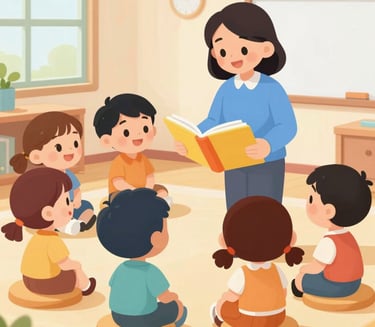
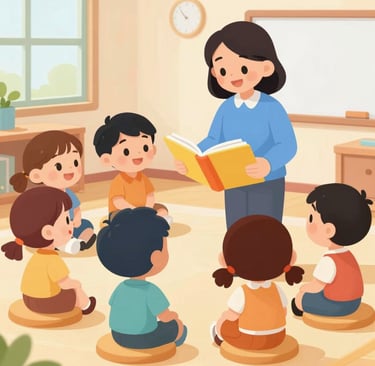
Activities: Reading books, listening to stories, storytelling, developing language skills, imagination, and a love of reading.
Create a cozy reading nook with:
A wide selection of age-appropriate books
Comfortable seating (pillows, beanbags)
Puppets and flannel boards for storytelling
Materials for letter recognition.
This center encourages a love of reading and early literacy skills.
What makes a good book for preschool?
Enduring Classics:
Books that have been loved for generations often maintain their popularity.
Engaging Content:
Books with vibrant illustrations, catchy rhymes, and interactive elements.
Preschoolers respond well to books that are fun and engaging.
Educational Value:
Books that teach children about numbers, letters, colors, and shapes are also popular with parents.
Consistently Popular Titles:
"The Very Hungry Caterpillar" by Eric Carle:
A classic for its beautiful illustrations and educational content about metamorphosis.
"Goodnight Moon" by Margaret Wise Brown:
A timeless bedtime story that helps children wind down.
"Chicka Chicka Boom Boom" by Bill Martin Jr. and John Archambault:
A fun and rhythmic alphabet book that encourages phonemic awareness.
Dr. Seuss Books (e.g., "Green Eggs and Ham," "The Cat in the Hat," "One Fish Two Fish Red Fish Blue Fish," "Hop on Pop"
Beloved for their playful rhymes and imaginative stories.
"Where the Wild Things Are" by Maurice Sendak:
A classic tale of imagination and adventure.
"How Do Dinosaurs Say Good Night?" by Jane Yolen:
A funny and relatable bedtime story.
These humorous and rhythmic books are perfect for young children's short attention spans.
Books That Encourage Social-Emotional Learning:
"The Invisible String" by Patrice Karst:
Helps children understand the concept of emotional connection, even when physically separated from loved ones.
"We Don't Eat Our Classmates" by Ryan T. Higgins:
A humorous story that addresses anxieties about starting school and fitting in.
"Lacey Walker, Nonstop Talker" by Christianne C. Jones:
Teaches the importance of listening and taking turns in conversations.
"Chrysanthemum" by Kevin Henkes:
Deals with self-esteem and the importance of kindness.
"First Day Jitters" by Julie Danneberg:
Helps ease the anxiety of starting school.
Books That Build Literacy Skills:
"Brown Bear, Brown Bear, What Do You See?" by Eric Carle:
A repetitive and engaging book that helps with color and animal recognition.
"The Book with No Pictures" by B.J. Novak:
A hilarious book that helps children understand how written words can be expressive.
Any of the Elephant and Piggie books by Mo Willems.
Books That Spark Imagination and Curiosity:
"Not a Box" by Antoinette Portis:
Encourages children to think creatively and see possibilities.
"Rosie Revere, Engineer" by Andrea Beaty:
Inspires children to embrace their creativity and persevere through challenges.
"Iggy Peck, Architect" by Andrea Beaty:
Another book that encourages creativity, and the love of building.
"Dragons Love Tacos" by Adam Rubin:
A silly and fun story that sparks imagination.
Books That Promote Classroom Community:
"The Rainbow Fish" by Marcus Pfister:
Teaches the importance of sharing and kindness.
"Our Class is a Family" by Shannon Olsen:
Reinforces the idea of the classroom as a safe and supportive community.
"Have You Filled a Bucket Today?: A Guide to Daily Happiness for Kids" by Carol McCloud:
This book is great for teaching kindness and positive interactions.
Key Themes in Preschool Teacher Favorites:
Social-Emotional Development:
Preschool is a time for learning about feelings, friendships, and social interactions. Books that address these themes are highly valued.
Early Literacy Skills:
Teachers look for books that introduce concepts like letters, sounds, colors, and numbers in engaging ways.
Engagement and Interaction:
Books that encourage participation, such as those with repetitive phrases, songs, or actions, are popular.
Imagination and Creativity:
Stories that spark children's imaginations and encourage creative thinking are also favorites.
What to look for in books for preschoolers:
They are engaging and interactive: Preschoolers thrive on active participation.
They support early learning: These books introduce essential concepts in a fun and accessible way.
They promote social-emotional growth: They help children understand and navigate their feelings and relationships.
They are durable and well-loved: Many of these books are available in sturdy board book formats.
Books encourage children to love reading and create positive learning experiences.
Questions? Comments? Concerns?
info@joyfulletters.com
Affiliate Disclosure: Some of the links on this page are affiliate links. As an Amazon Influencer, a Walmart Partner, and an affiliate for select educational brands, I earn a small commission from qualifying purchases. This never raises the price for you. I only recommend items that add true value to a play-based learning environment. Thank you so much for supporting our page!
© Joyful Letters 2025-2026 ALL RIGHTS RESERVED. Permission is given to reproduce for individual classroom use. Our content material is not to be resold.