Grown-Up Goals. Kid-Sized Joy. Learning in disguise.
Color Mixing
Let's create a vibrant and educational "Color Mixing" center for your preschoolers, where they can discover the magic of colors!
Choose a water-resistant area (tile floor or a table with a plastic tablecloth).
A well-lit area is essential for observing color changes.
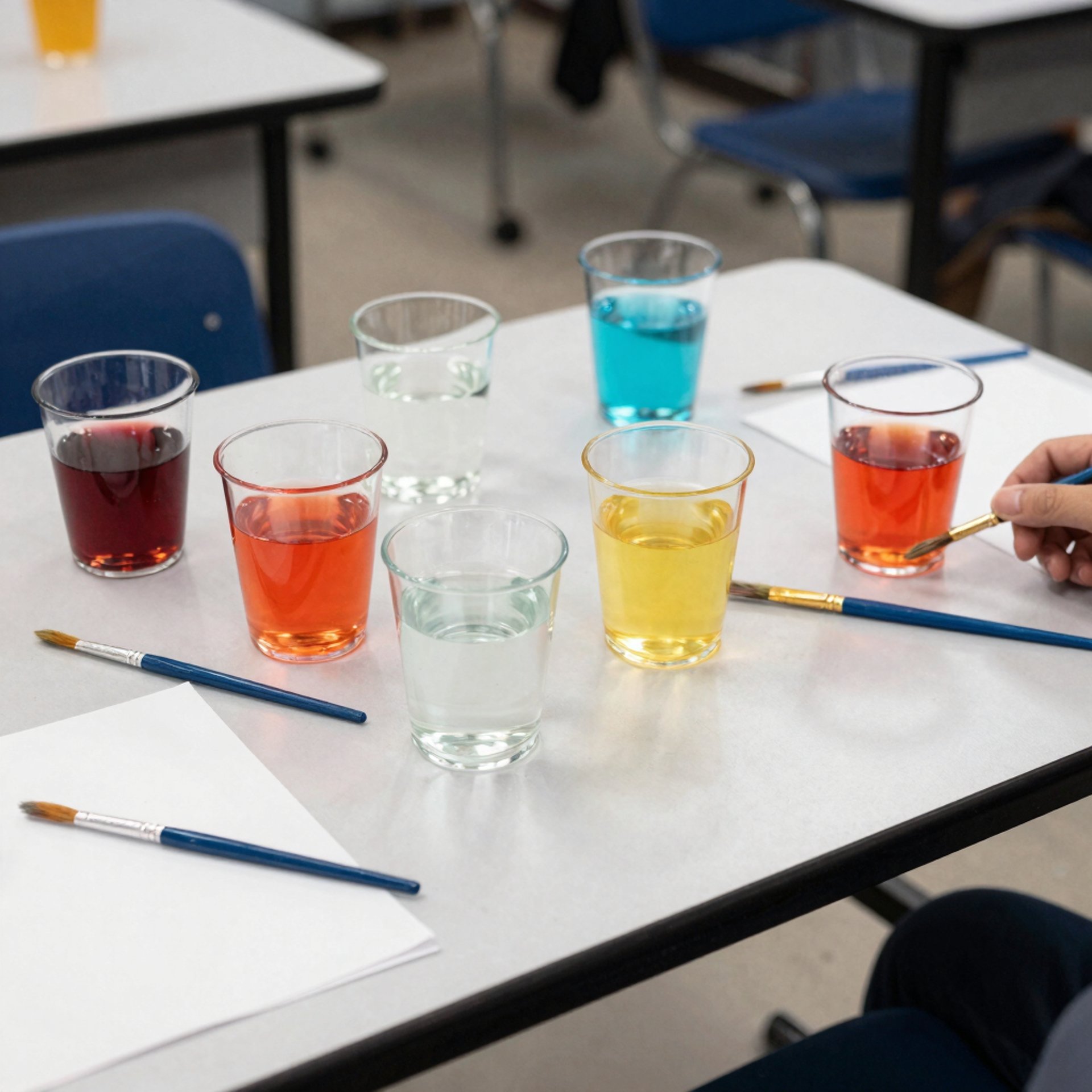
Material Preparation and Arrangement:
Water:
Provide clear water in a pitcher or water dispenser.
Fill clear cups with water to the same level.
Provide primary colors (red, blue, yellow) in liquid form.
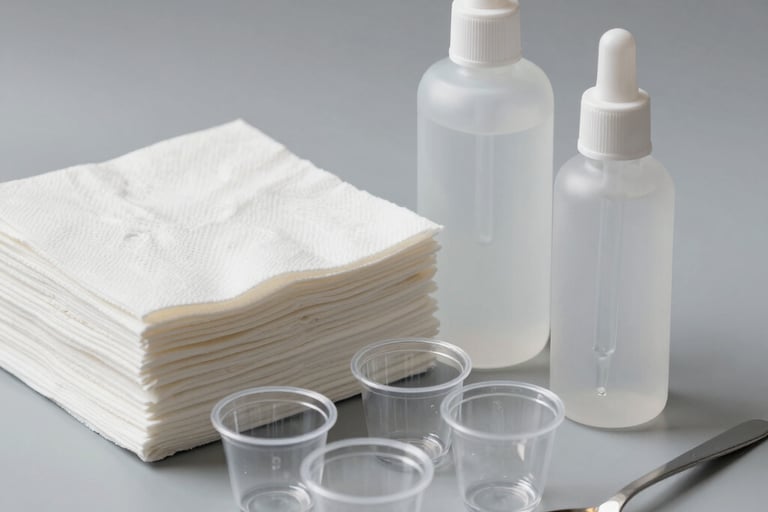
Use small squeeze bottles or droppers for precise control.
Clear Cups:
Use clear plastic cups or containers for easy observation.
Provide enough cups for each child to experiment with different color combinations.
Optional:
Pipettes or droppers for color mixing.
Spoons or stir sticks for mixing.
White paper or coffee filters for color absorption.
Color mixing charts or diagrams.
White paper plates or bowls.
Paper towels for spills.
Show children a display of items that lack color and another group with color. Which do they find pretty?
Creating a Sensory Color Lab
Textured Color Mixing:
Add different textures to the water, such as cornstarch, shaving cream, or dish soap, to create unique color mixing experiences.
Use clear containers with lids for children to shake and mix the textured colors.
Scented Color Mixing:
Add a drop or two of essential oils (with caution and supervision) to the colored water to create scented color mixtures.
Use scents that complement the colors (e.g., lemon for yellow, lavender for purple).
Light Table Color Play:
Use translucent containers or plastic sheets on a light table to explore how colors interact with light.
Layer colored sheets or liquids to create new colors and patterns.
Color Mixing with Natural Materials:
Use natural materials like flower petals, berries, or spices to create natural color dyes.
Discuss how people used natural dyes before synthetic food coloring was invented.
Color-Themed Music:
"What Color Are You Wearing?" by Super Simple Songs A gentle, repetitive song that helps children identify the colors of their own clothing. Super Simple Songs is famous for slow, clear pacing, making this ideal for younger toddlers or English language learners.
"The Color Song (Everybody Clap)" by The Kiboomers An interactive, high-energy song that gets kids moving. It asks children wearing specific colors to do an action (e.g., "If you're wearing red, clap your hands!"). It is fantastic for group participation and listening skills.
"Red, Yellow, Green, Blue" by Pinkfong
A fast-paced, upbeat track from the creators of Baby Shark. It introduces core colors alongside cheerful animations and a rhythm that gets kids bouncing and dancing.
"The Rainbow Song" by Signature Music / Traditional
A classic choice for introducing the full spectrum of the rainbow in order. It typically covers red, orange, yellow, green, blue, purple (or indigo and violet), helping children visualize how colors blend in nature.
"I See Something Blue" by Super Simple Songs
This song turns color recognition into a game of "I Spy." It encourages children to look around their immediate environment to find objects matching the featured color, promoting active scanning and spatial awareness.
"Color Freeze Dance" by The Kiboomers
Combining color identification with the beloved game of freeze dance, this track calls out a color, lets the kids dance, and then instructs them to "freeze" when the music stops. It is a brilliant tool for teaching self-regulation alongside color names.
"Pass the Color" by Jack Hartmann
Jack Hartmann’s educational songs focus heavily on movement and brain breaks. This song often involves passing colored objects or shifting movements based on the color introduced, blending physical coordination with cognitive learning.
"Mix It Up (The Color Mixing Song)" by Various Artists / Educational Media
Inspired by basic art concepts, songs like this teach children about primary and secondary colors. It explains what happens when you mix two colors together (e.g., "Red and yellow make orange!"), which pairs perfectly with hands-on painting activities.
"Colors All Around" by The Learning Station
A classic, rhythmic song that highlights how colors make up everything in our world, from the blue sky to the green grass. It uses a call-and-response style that encourages preschoolers to sing along loudly.
"Primary Colors Song" by Sesame Street
Featuring beloved characters, this song breaks down the foundational primary colors (red, yellow, and blue)
in an entertaining, story-driven format that helps children understand the building blocks of art.
Tip for Learning: To make these songs even more effective, hand children colored scarves, beanbags, or blocks. When their color is mentioned in the song, they can hold it up, wave it, or jump in the air!
Create a "color scavenger hunt":
Have the children try and find objects around the room that match the colors they created
Projector Color Mixing:
Use a projector to project colored light onto different surfaces and observe how the colors interact.
"Color Mixing in Nature":
Take children on walks outside and observe how colors change in nature (e.g., leaves changing color in the fall, flowers blooming in the spring).
Musical colors– Play a game with children passing a colored item around the circle. The child selects an item like a block, a toy car, or some colored items from the classroom. When the music stops, the child holding the item must say the color of the item This child selects another colored item to pass around.
What Color Are You Wearing? – The teacher calls out, "If you are wearing red, stand up." This encourages children to identify the colors of their clothes, making learning interactive.
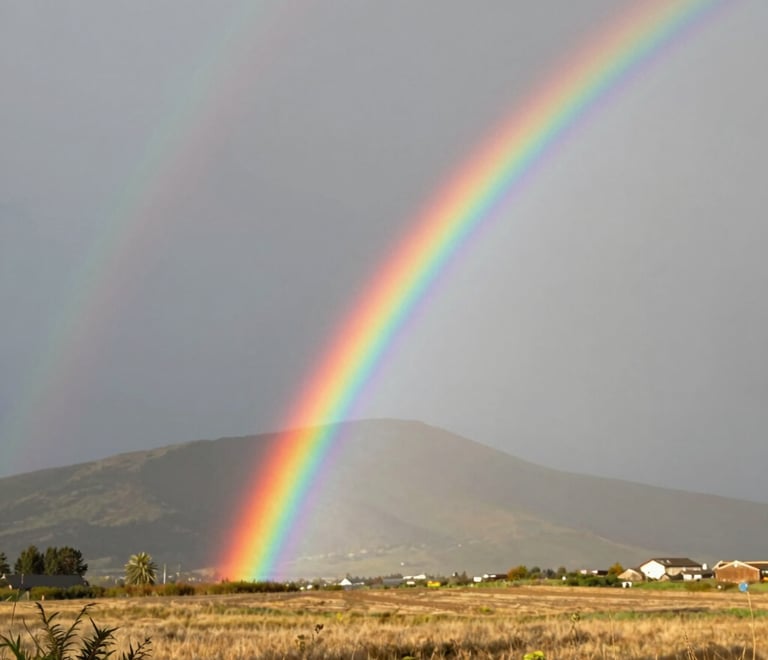
Focus on the colors of the rainbow, teaching sequencing and color names.
Visual Displays:
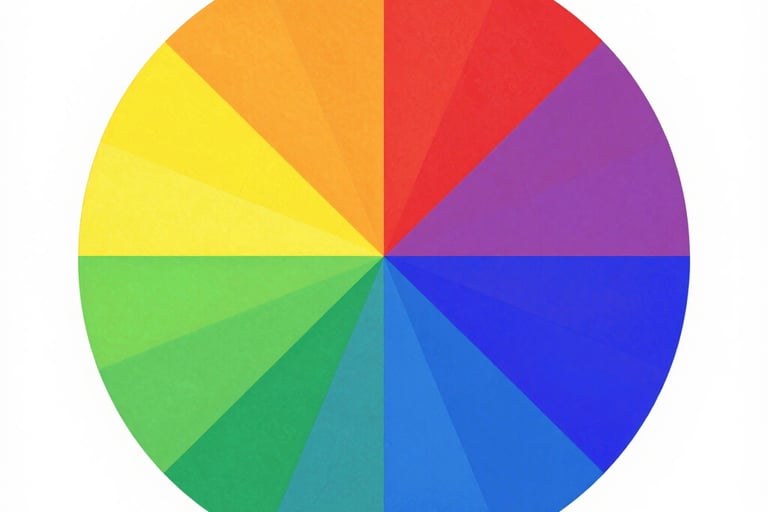
Display a color wheel or color mixing charts on the wall.
Create a colorful display of children's color mixing creations.
"Color Mixing Art Projects":
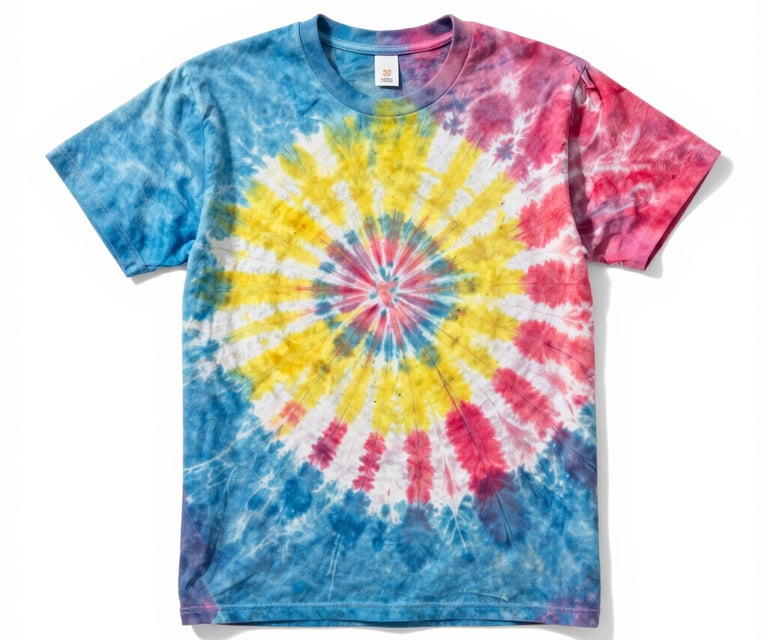
Use colored liquids to create tie-dye patterns on fabric or paper.
Use droppers to create color mixing designs.
Safety and Clean Up Considerations:
Food Coloring is typically non-toxic and safe for supervised play.
Spills:
Provide paper towels or sponges for cleaning up spills.
Use a tray or shallow bin for each child to contain spills.
Supervision:
Supervise children closely during color mixing activities.
Questions? Comments? Concerns?
info@joyfulletters.com
Affiliate Disclosure: Some of the links on this page are affiliate links. As an Amazon Influencer, a Walmart Partner, and an affiliate for select educational brands, I earn a small commission from qualifying purchases. This never raises the price for you. I only recommend items that add true value to a play-based learning environment. Thank you so much for supporting our page!
© Joyful Letters 2025-2026 ALL RIGHTS RESERVED. Permission is given to reproduce for individual classroom use. Our content material is not to be resold.