Grown-Up Goals. Kid-Sized Joy. Learning in disguise.
Process Art
Embracing the Magic of Process Art
Process art is an exploration of tools, textures, and colors where there is no "right" way to create. It allows children to build confidence, fine motor skills, and creative problem-solving abilities without the pressure of a specific outcome.
Here is a guide to the wonderful, messy, and creative process art activities we are introducing:
Process Art Techniques
Salt & Watercolor Sprinkle salt onto wet watercolor paper, then drop liquid paint onto the salt. Watch as the salt absorbs the color and creates unique, star-like patterns.
Bubble Painting Mix tempera paint, water, and dish soap in a cup. Have children blow through a straw to create bubbles, then press paper onto the overflowing colorful foam.
Wet Tissue Paper Place bleeding-style tissue paper shapes onto wet watercolor paper. Once dry, remove the paper to reveal vibrant "ghost" prints left behind.
Balloon Stamps Partially inflate small balloons and use them as stamps. Dip the round end into shallow trays of paint to create circles and patterns on paper.
Foil & Spray Color aluminum foil with washable markers, then spritz lightly with a spray bottle. The colors will blend and move to create a marbled, metallic effect.
Marble Painting Place a sheet of paper in a box lid with dollops of paint. Add a marble, and tilt the box to roll the marble through the paint, creating intricate trails.
Shaving Cream Art Spread shaving cream in a tray and drip paint on top. Use a marble or finger to swirl the colors, then press paper onto the surface for a "marbled" print.
Blow Painting Place drops of diluted paint on paper. Use a straw to blow the paint in different directions, creating organic, splatter-like shapes.
Soap Pump Painting Mix water, glue, and food coloring in a foam soap dispenser. The "puffy" foam can be pumped directly onto paper for a 3D, textured art experience.
Dropper Art Provide small droppers filled with liquid food coloring or watered-down paint. Children squeeze the droppers to create droplets, mixing colors on thick paper.
Why Process Art Matters
Encourages Independence: Children make their own choices about color, tool usage, and design.
Builds Fine Motor Skills: Activities like using droppers, squeezing soap dispensers, and maneuvering balloons strengthen the hand muscles necessary for writing.
Promotes Scientific Thinking: Children observe cause and effect—what happens when colors mix? What happens when I spray water on marker?
Reduces Performance Anxiety: Since there is no "finished product" to evaluate, children feel free to experiment and express themselves authentically.
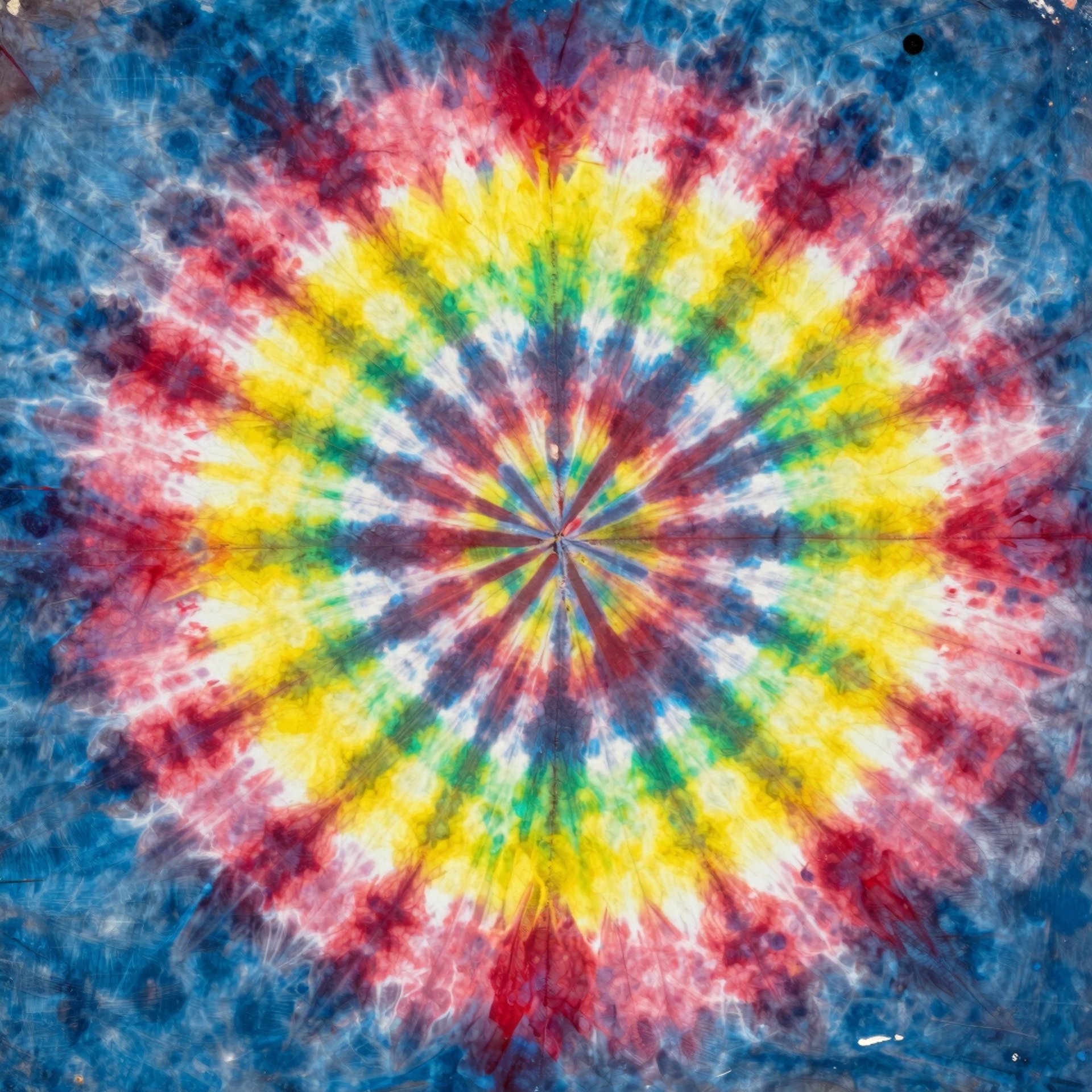
This creates artwork that looks like a beautiful abstract blend of colors. This is the hallmark of process art—the physical evidence of a child’s experimentation and joy in discovery.
Questions? Comments? Concerns?
info@joyfulletters.com
Affiliate Disclosure: Some of the links on this page are affiliate links. As an Amazon Influencer, a Walmart Partner, and an affiliate for select educational brands, I earn a small commission from qualifying purchases. This never raises the price for you. I only recommend items that add true value to a play-based learning environment. Thank you so much for supporting our page!
© Joyful Letters 2025-2026 ALL RIGHTS RESERVED. Permission is given to reproduce for individual classroom use. Our content material is not to be resold.