Grown-Up Goals. Kid-Sized Joy. Learning in disguise.
Preschool Cleaning Guide
Cleaning Routine
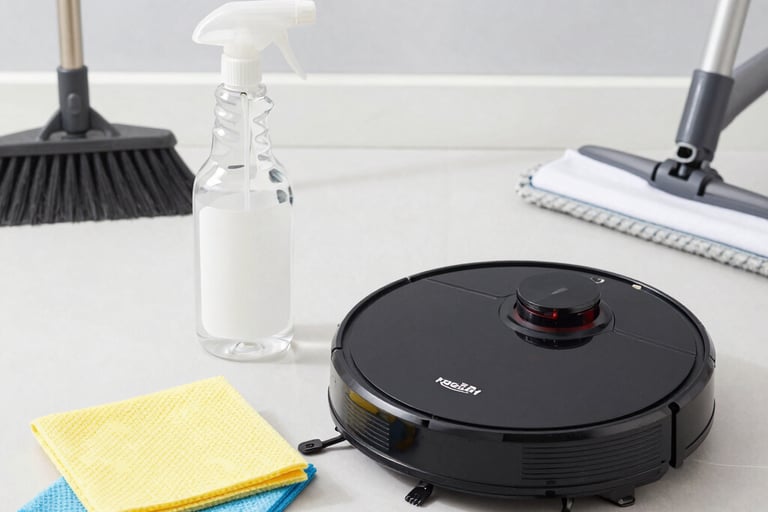
Daily and weekly preschool cleaning tips with equipment and cleaners
Daily Tasks
Wipe surfaces, sanitize toys, sweep floors; use disinfectant wipes and microfiber cloths.


Weekly Tasks
Mop floors, clean windows, wash bedding; use gentle floor cleaner and glass spray.


Every day at the end of the day, we get our floors cleaned the easy way. This thing really is a wonderful time saver for cleaning: Shark Matrix Plus | 2-in-1 Robot Vacuum & Mop for Carpets & Hard Floors | Sonic Mopping & Powerful Suction for Pet Hair | Self-Empty Base
Because bleach is a potent chemical, public health departments and the CDC distinguish strictly between sanitizing (reducing germs to safe levels, used on food surfaces) and disinfecting (killing almost 100% of germs, used on bodily fluid zones).
The correct mixture depends entirely on the job and the strength of the bleach you purchased.
Check Your Bleach Strength First
Before mixing, look at the label of your bleach bottle for the sodium hypochlorite percentage.
⚠️ Critical Safety Warning: Never use splashless, scented, or fabric-safe bleach in a childcare setting. They contain additives that leave behind toxic chemical residues and are not registered with the EPA to kill germs.
CDC Ratios for 5.25%–6.25% Standard Bleach
If you are using standard household bleach, use the following exact measurements.
Sanitizing Solution (For Food Surfaces, High Chairs, & Toys)
Per Gallon of Water: 1 tablespoon of bleach
Per Quart of Water (Standard Spray Bottle): 1/4 teaspoon of bleach
Disinfecting Solution (For Diaper Tables, Bathrooms, & Bodily Fluids)
Per Gallon of Water: 1/3 cup of bleach
Per Quart of Water (Standard Spray Bottle): 1 tablespoon of bleach
CDC Ratios for 8.25% Concentrated Bleach
Because concentrated bleach is stronger, you need less of it to achieve the same germ-killing power.
Sanitizing Solution (For Food Surfaces, Highchairs, & Toys)
Per Gallon of Water: 2 teaspoons of bleach
Per Quart of Water (Standard Spray Bottle): Barely under 1/4 teaspoon of bleach
Disinfecting Solution (For Diaper Tables, Bathrooms, & Bodily Fluids)
Per Gallon of Water: 1/4 cup of bleach
Per Quart of Water (Standard Spray Bottle): 2 teaspoons of bleach
The 4-Step Application Protocol
To ensure the bleach actually eliminates pathogens like Norovirus or Rotavirus, follow this sequence:
1.Clean first: Remove physical dirt. Spray the surface with plain soap and water and wipe it clean with a microfiber cloth. Bleach cannot penetrate layers of grease, dirt, or organic matter; it must be applied to a clean surface.
2.Apply the bleach solution:Spray thoroughly. Spray the mixed bleach solution until the surface is completely wet.
3.Wait (Contact Time): Crucial step. Leave the solution wet on the surface for at least 2 minutes (or the time specified on your bleach label). The chemical needs this contact time to break down the cell walls of viruses and bacteria.
4.Air dry or rinse: Final step. Let the surface air dry. For food contact surfaces and highchair trays, rinse the surface with plain water after the 2-minute contact time has passed, then let it air dry.


Tip: Post your cleaning schedule so that staff know what is expected of them. This also let's parents see that you take cleaning seriously.


Crucial Safety & Storage Rules
Make it Fresh Daily: Bleach mixed with water loses its disinfection power rapidly when exposed to air and light. Any solution left over at the end of the day must be dumped out, and a fresh batch mixed the next morning.
Temperature Matters: Always mix bleach with cool or room-temperature water. Hot water causes the active chlorine to evaporate too quickly, rendering the solution ineffective and creating dangerous fumes.
The Golden Chemical Rule: Never mix bleach with ammonia, vinegar, or any other bathroom cleaners. Mixing bleach with acids or ammonia creates toxic chloramine gas, which can cause severe respiratory distress instantly.
Storage: Keep all spray bottles completely out of reach of children (on high shelves or locked cabinets), and clearly label every bottle with its contents and date mixed (e.g., "Disinfectant Bleach Solution - Mixed [Date]").
Questions? Comments? Concerns?
info@joyfulletters.com
Affiliate Disclosure: Some of the links on this page are affiliate links. As an Amazon Influencer, a Walmart Partner, and an affiliate for select educational brands, I earn a small commission from qualifying purchases. This never raises the price for you. I only recommend items that add true value to a play-based learning environment. Thank you so much for supporting our page!
© Joyful Letters 2025-2026 ALL RIGHTS RESERVED. Permission is given to reproduce for individual classroom use. Our content material is not to be resold.