Grown-Up Goals. Kid-Sized Joy. Learning in disguise.
Cinco de Mayo
¡Bienvenidos! Preschool Cinco de Mayo Curriculum
This curriculum is designed to celebrate Mexican culture through sensory play, music, and simple crafts while keeping the historical context age-appropriate (focusing on a celebration of bravery and heritage).
Daily Schedule At-A-Glance
9:00 AM Circle Time
Introduction, Storytime, and Spanish words
10:00 AM Music & Movement
"The Mexican Hat Dance" and Maraca shaking
11:00 AM Creative Arts
Paper Plate Piñatas or Tissue Paper Flowers
12:00 PM Cultural Snack
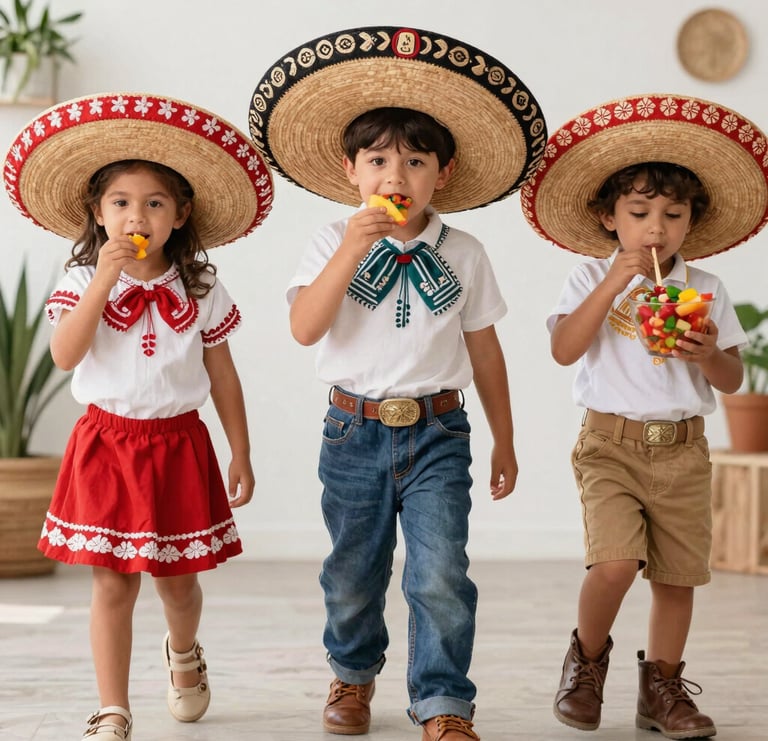
Build-Your-Own "Walking Tacos" or Fruit Salsa
1:00 PM Sensory Play" Fiesta Rice" bin with hidden treasures
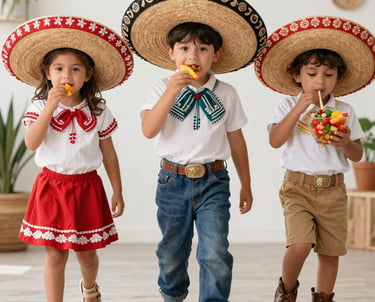
Circle Time Fun
What is Cinco de Mayo?
Keep the explanation simple: "Today we are celebrating a special day in Mexico! It’s a day for parades, music, and remembering a time when people were very brave."
Language Fun: Teach some basic Spanish words:
Hola (Hello)
Rojo, Blanco, Verde (Red, White, Green—the colors of the flag)
Amigos (Friends)
Por Favor (Pleasae)
Gracias (Thank You)
Book Recommendation: Cinco de Mouse-o! by Judy Cox or Marco's Cinco de Mayo by Lisa Bullard.
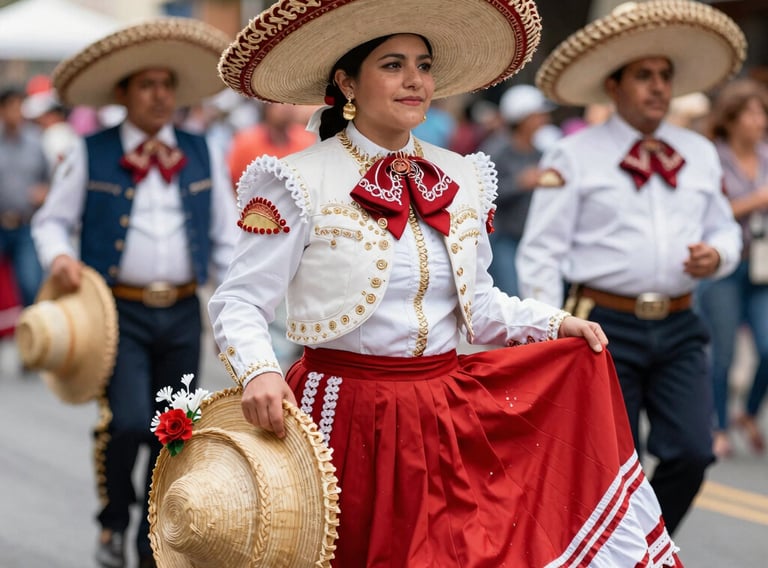
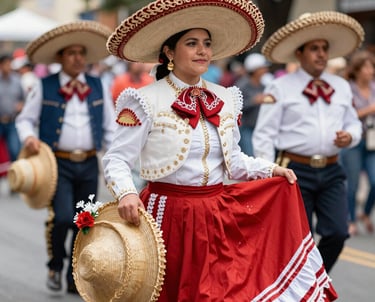
When introducing Cinco de Mayo to preschoolers, the focus should be on a vibrant celebration of Mexican culture, music, and food, rather than the complexities of military history. For 3–5 year olds, it is best described as a celebration for a very brave moment in Mexico’s story.
The "Big Idea" for Little Kids
"A long time ago, people in a place called Puebla, Mexico, worked together to protect their homes. They were very brave! Today, we celebrate their bravery by sharing the beautiful music, dancing, and delicious food of Mexico."
The Colors of Mexico
Concept: Introduce the Mexican flag.
Activity: Focus on the colors Green, White, and Red. Explain that green stands for hope, white for unity, and red for the heroes.
Preschool Skill: Color identification and sorting.
Festive Music & Instruments
Concept: Introduce Mariachi music.
Activity: Show videos of Mariachi bands with their big sombreros and trumpets.
The "Grito": Teach them a "Grito"—the joyful shout heard in Mexican music with this YouTube video. It’s a great way to let out some energy!
Traditional Foods
Concept: Mexico gave the world many favorite foods.
Fun Fact: Did you know chocolate and avocados originally come from Mexico?
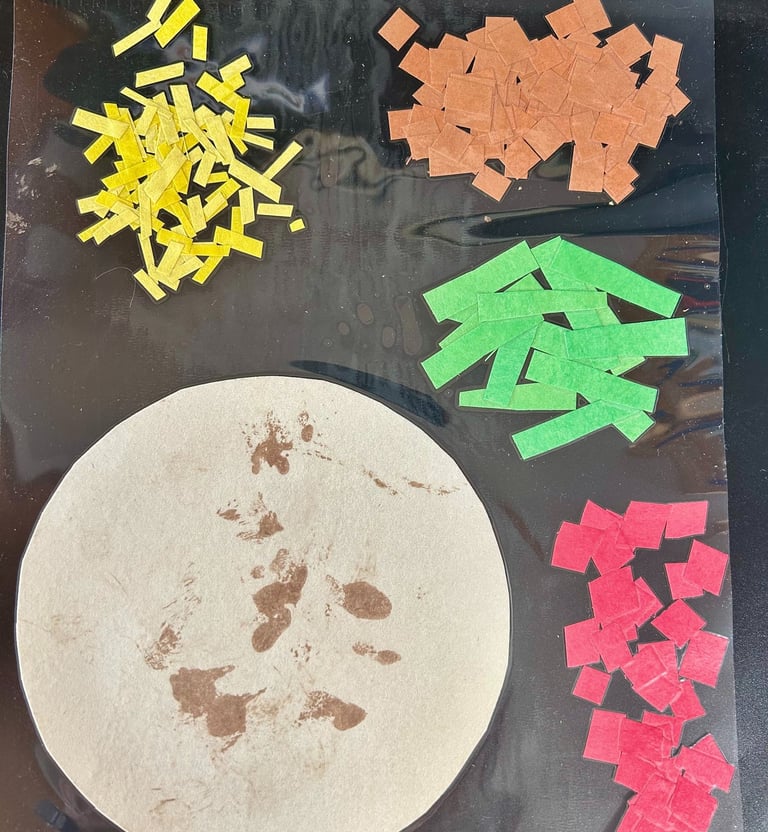
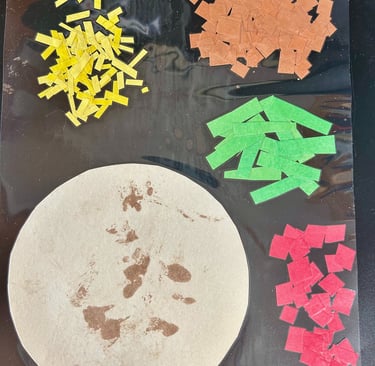
Activity: A "Taco Shop" dramatic play center. Cut out a circle for the tortilla (sponge a little brown paint on it for additional realism, cut colored construction paper to represent cheese, ground meat, lettuce and tomatoes. Laminate the pieces for reduced mess and long term play.
Cooking: Supervise children as they make their own simple salsa (mashing avocados for guacamole is excellent for fine motor skills).
Traditional Clothing
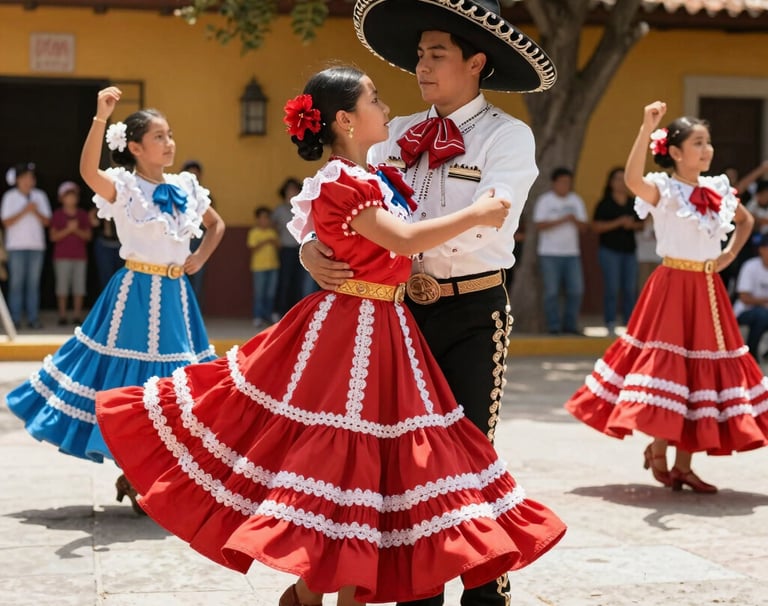
Concept: The Baile Folklórico (folk dance). Check out this YouTube video featuring children doing traditional dance.
Visuals: Show pictures of the large, colorful ruffled skirts and the embroidered vests.
Movement: Have the children practice "twirling" like the dancers or stomping their feet to a rhythmic beat.
Preschool Activity Ideas
Paper Plate Guitars: Use rubber bands and paper plates to explore string sounds.
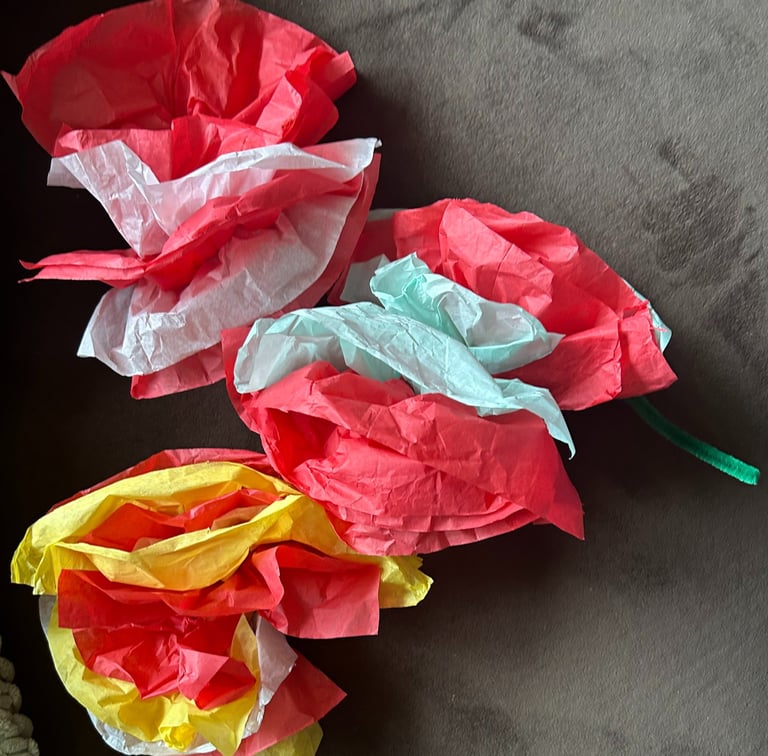
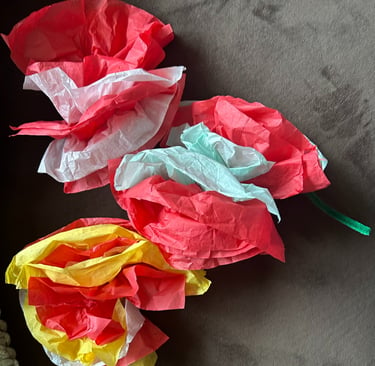
Tissue Paper Flowers: Mexican celebrations often feature bright marigolds. Use colorful tissue paper and pipe cleaners to make "everlasting" flowers for the classroom.
Mexican Flag Collage: Provide scraps of green and red paper for children to glue onto a white background.
🎶 Music & Movement
Song: "The Shaker Song" (Tune: If You're Happy and You Know It)
"If you’re wearing rojo, shake your beans! If you’re wearing verde, shake your beans! If you’re happy and you know it, and you really want to show it, If you’re wearing blanco, shake your beans!"
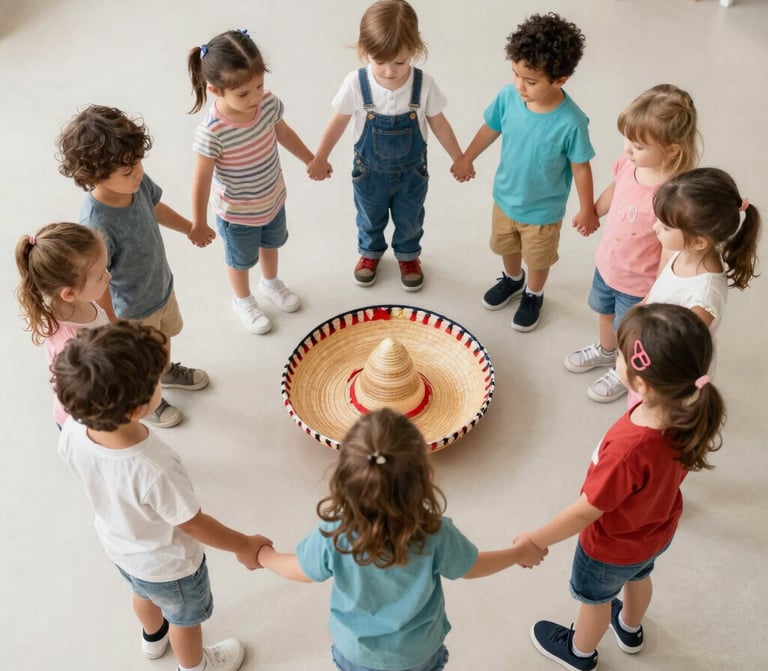
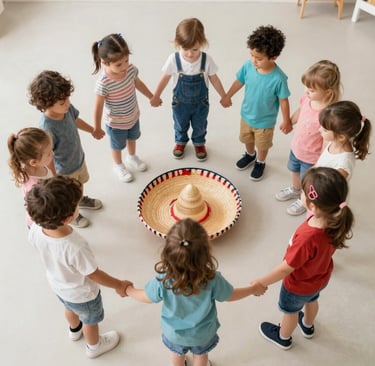
Activity: Jarabe Tapatío (Mexican Hat Dance) Place a sombrero (or any hat) on the floor. Have the children hold hands in a circle and skip around it to the music. When the music stops, everyone shouts "Olé!"
Creative Crafts
Tissue Paper Flowers:
Materials: 6 pieces of colorful Tissue Paper for each child, a pipe cleaner for the stem. We used "10x 16" squares of paper, but any size can work. (You might want to save and recycle tissue paper from gifts to use for projects like this.)
Step: Children fold the stack of tissue paper like a fan. Then twist the pipe cleaner stem around the middle. Then each layer of the flower can be fluffed out.
Tambourines
Materials: Paper plates (folded in half), colorful tissue paper strips, glue, and tape.
Step: Kids glue "fringe" (pre-cut tissue paper) onto the folded plate to make it look festive and bright. Staple or tape the edges and tuck a few beans inside to create a rattling sound.
Puffy Paint Flags
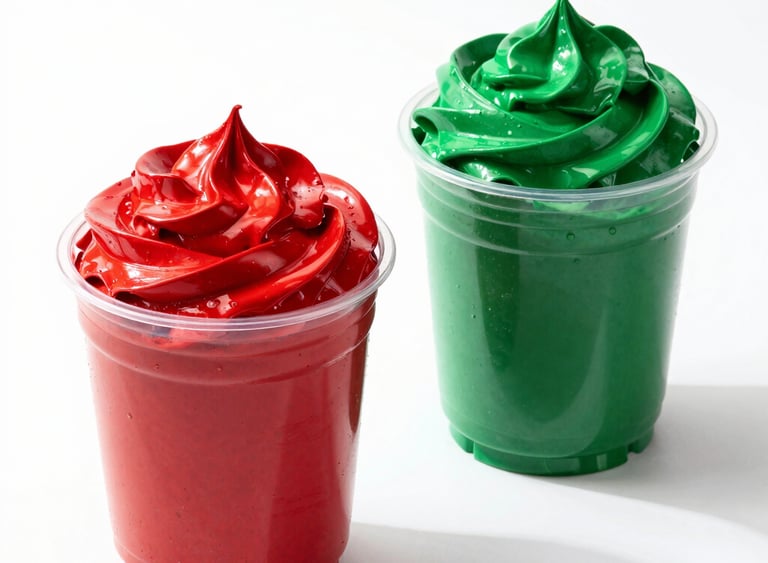
Materials: White paper, green and red "puffy paint" (shaving cream mixed with glue and food coloring).
Step: Let children use their hands or brushes to create the three vertical stripes of the Mexican flag.
Making puffy paint is such a satisfying project for preschoolers—it’s basically like painting with colorful clouds! Since it dries with a raised, squishy texture, it’s perfect for creating those vibrant stripes for a flag or colorful "fringe" on a piñata craft.
🎨 The 1:1 Puffy Paint Recipe
Ingredients:
1 part White School Glue (like Elmer’s)
1 part Shaving Cream (The white, foamy kind—not the gel!)
Washable Paint or Food Coloring (Red and Green for Cinco de Mayo)
🥣 Mixing Instructions
Measure the Glue: Pour about 1/2 cup of glue into a small mixing bowl.
Add the Foam: Add about 1/2 cup of shaving cream on top of the glue.
Tip: Don't over-mix! You want to fold it together gently like you’re making a cake batter so you don't "pop" all the air bubbles that make it puffy.
Add Color: Stir in a few drops of paint or food coloring until you reach your desired shade.
Repeat: Make a separate bowl for each color you need.
🖌️ How to Use It
Tools: For 3-to-5-year-olds, foam brushes or cotton swabs (Q-tips) work better than thin bristle brushes. You can even put the mixture into squeeze bottles or Ziploc bags with the corner snipped off for a "frosting" effect.
The Paper: Use heavy cardstock or paper plates. Standard printer paper is too thin and will curl up or soak through from the weight of the foam.
Drying: This is the most important part! It needs to dry flat for at least 3 to 4 hours (overnight is best). When it’s done, it will be firm but still feel like a marshmallow when you touch it.
Classroom Hack
Since you're working with a group, you can pre-measure the glue into small plastic cups. When it's time for the activity, give each child a "squirt" of shaving cream from the can. They absolutely love watching the foam expand, and it turns the prep into part of the sensory experience!
A quick tip for the cleanup: Since this contains glue, try to wash the brushes or cups while the paint is still wet. Once it dries, it becomes a very sturdy rubbery plastic!
🌮 Festive Food & Snack
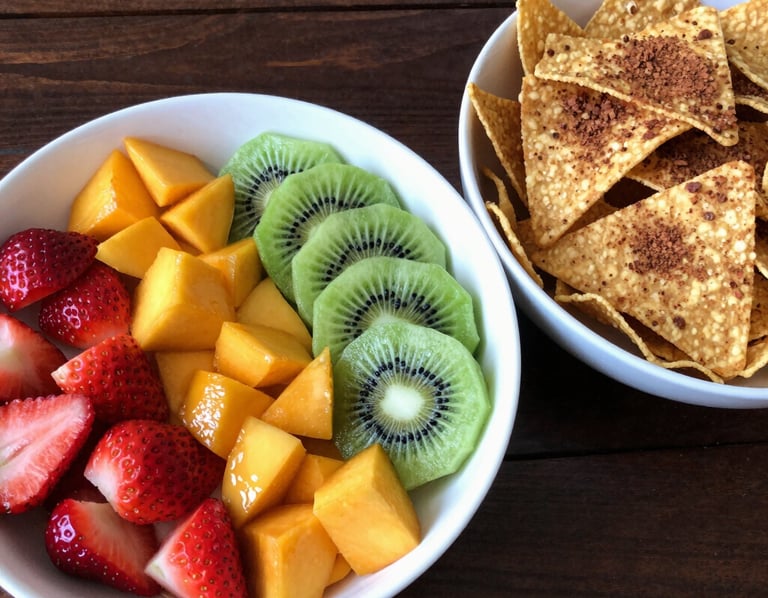
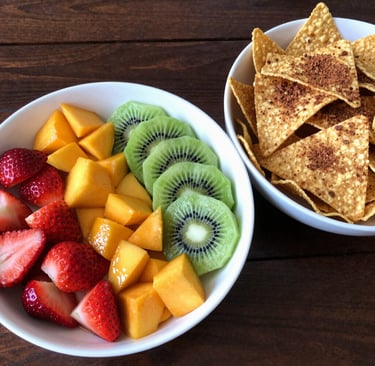
Activity: "Rainbow Fruit Salsa" This is a great way to practice fine motor skills and color recognition.
Ingredients: Pieces of strawberries (red), mango (yellow), and kiwi (green).
Serving: Serve with cinnamon-dusted tortilla chips.
Lesson: Point out that these bright colors are often found in Mexican art and clothing.
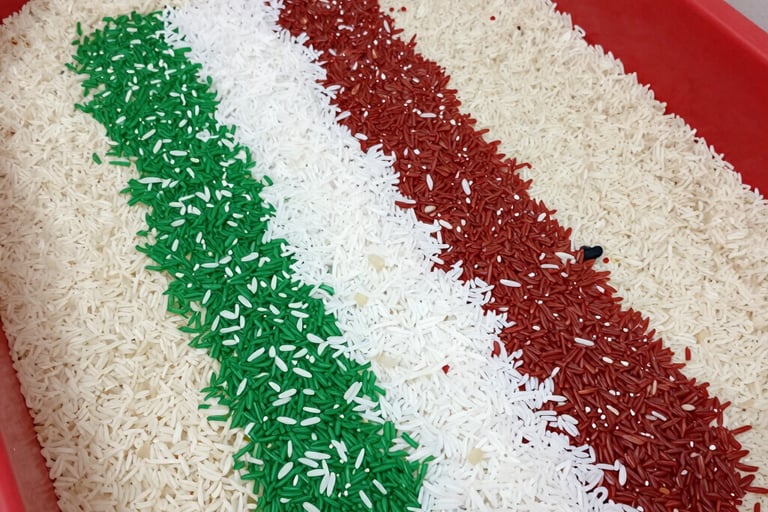
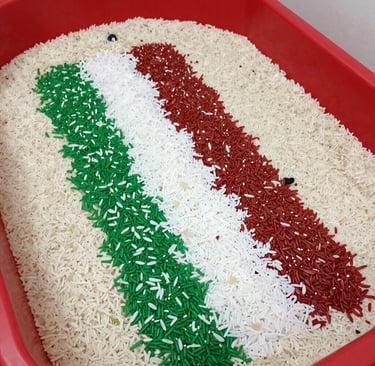
Sensory Play: Fiesta Bin
Fill a large plastic bin with dried rice dyed green, white, and red.
Add-ins: Small plastic reptiles, gold "coins," mini maracas, and measuring cups.
Goal: Provides a calming, tactile experience while reinforcing the colors of the day.
Teacher Tip: Remind the children that while we are having a "Fiesta" (party), the most important part is being a good amigo to everyone in the classroom!
Dying rice is a fantastic way to create a screen-free, tactile experience for children. It’s quick to make, and once it dries, the color stays on the rice rather than on little hands.
Supplies Needed
1 cup of white rice (per color)
1 teaspoon of white vinegar (this sets the color and keeps it from rubbing off)
Food coloring (liquid or gel works great)
A tray or cookie sheet lined with parchment paper or paper towels
🥣 The 4-Step Process
Combine: Pour 1 cup of dry rice into the Ziploc bag. Add 1 teaspoon of white vinegar and several drops of food coloring.
Tip: Use about 10–15 drops for deep, vibrant reds and greens.
Shake: Seal the bag tightly (double-check this!) and let the children help shake, squeeze, and toss the bag until every grain of rice is coated.
Spread: Spread the wet rice out in a thin, even layer on your lined tray.
Dry: Let it sit for about 1 to 2 hours. If you’re in a hurry, placing it in a sunny window or near a vent speeds it up. Once it’s dry to the touch and doesn't clump, it's ready for the sensory bin.
Pro-Tips for Your Classroom
The Vinegar Smell: The scent of vinegar can be strong while the rice is wet, but it completely disappears once the rice is dry. If you hate the smell, you can substitute the vinegar with lemon juice or even clear hand sanitizer, though vinegar typically yields the most lightfast colors.
Storage: Store your dyed rice in an airtight container or glass jar. It will stay fresh and usable for months as long as it stays dry.
The "Flag" Bin: Since it's for Cinco de Mayo, you can make three separate batches: Rojo (Red), Blanco (Plain white rice), and Verde (Green). Layer them side-by-side in your sensory bin to look like the Mexican flag before the kids start "mixing" it up!
⚠️ A Quick Safety Note
Be cautious of small items that could be placed in their mouths.
Focus on a tactile "discovery" experience for the children, hiding items that vary in texture and weight will keep them engaged longer.
Here are a few suggestions that fit the theme and are safe for preschool-aged hands:
🌽 The "Mercado" (Market) Theme
Hide small items that represent things you might find at a Mexican street market:
Plastic Corn or Peppers: Mini play-food vegetables.
Fabric Scraps: Small squares of brightly patterned fabric or lace to represent traditional Mexican textiles.
Miniature Animals: Small plastic farm animals (donkeys, chickens, or cows).
🎶 The "Mariachi" Theme
Focus on items that represent the sounds and celebration of the day:
Jingle Bells: Use colored, gold or silver bells. They make a lovely sound when the children "dig" them out of the rice.
Bottle Caps: Cleaned colorful bottle caps make great "shakers" when clinked together.
🏴☠️ The "Hidden Treasure" Theme
Gold Coins: Plastic "gold" coins (reuse these for Pirate Centers and St. Patrick’s Day!) work perfectly as "centavos."
River Stones: Small, smooth stones or "jewels" (the glass floral beads found at craft stores) in red, white, and green or just bright colors.
The Number 5: Since it is the Fifth of May, hide several cut-outs of the number 5. Challenge the children to find all five "fives."
💡 Interactive Play Idea: "Search & Sort"
Give each child a small egg carton or a muffin tin. On the bottom of each cup, put a small dot of color (red, white, or green).
As they find the items in the rice, have them sort the treasures by color into the corresponding cup. It’s a great way to sneak in some math and categorization skills while they play!
Circle Time Fun
What is Cinco de Mayo?
Keep the explanation simple: "Today we are celebrating a special day in Mexico! It’s a day for parades, music, and remembering a time when people were very brave."
Language Fun: Teach some basic Spanish words:
Hola (Hello)
Rojo, Blanco, Verde (Red, White, Green—the colors of the flag)
Amigos (Friends)
Por Favor (Please)
Gracias (Thank You)
Book Recommendation: Cinco de Mouse-o! by Judy Cox or Marco's Cinco de Mayo by Lisa Bullard.
Questions? Comments? Concerns?
info@joyfulletters.com
Affiliate Disclosure: Some of the links on this page are affiliate links. As an Amazon Influencer, a Walmart Partner, and an affiliate for select educational brands, I earn a small commission from qualifying purchases. This never raises the price for you. I only recommend items that add true value to a play-based learning environment. Thank you so much for supporting our page!
© Joyful Letters 2025-2026 ALL RIGHTS RESERVED. Permission is given to reproduce for individual classroom use. Our content material is not to be resold.