Grown-Up Goals. Kid-Sized Joy. Learning in disguise.
Fall Harvest

Suggested Items:
Pumpkins and Gourds:
Provide a variety of sizes and shapes.
Clean them thoroughly.
Arrange them in a visually appealing way, perhaps in a large basket or on a table.
Leaves:
Gather leaves of different colors and shapes.
Ensure they are clean and dry.
Place them in baskets or trays for sorting and exploration.
Pinecones:
Gather pinecones of various sizes.
Clean them and ensure they are free of pests.
Place them in a basket or container.
Corn Kernels:
Use dried corn kernels (Indian corn or dried field corn).
Place them in a sensory bin or a shallow tray.
Provide scoops and small containers for scooping and pouring.
Baskets:
Provide a variety of baskets for sorting, carrying, and displaying the harvest items.
Use different sizes and materials.
Optional Items:
Cinnamon sticks or other fall spices (in sealed containers) for sensory exploration.
Pictures of fall harvests and farms.
Books about fall and harvest.
Craft supplies (paper, crayons, glue) for leaf rubbings and other fall-themed crafts.
Small tools like magnifying glasses.
The Harvest Festival Checklist
Nature & Garden Items
[ ] 3–5 Pumpkins (varying sizes: "Tiny," "Middle," and "Jumbo")
[ ] 1 large "Carving" Pumpkin (for the "Guts" sensory bin)
[ ] A bag of gourds (different shapes and textures)
[ ] 6–8 ears of dried Indian Corn (with husks still on)
[ ] A basket of real fall leaves (press them in a book for 24 hours first if you want them flat)
Tools & Supplies
[ ] Magnifying glasses and rulers
[ ] Child-safe tweezers or tongs
[ ] 2–3 small scrub brushes and sponges
[ ] Yellow, orange, and red washable paint
[ ] Brown construction paper (cut into long 3-inch strips for crowns)
[ ] Clear tape or a stapler (for the teacher only)
Kitchen Supplies
[ ] Apple juice and cinnamon sticks
[ ] Canned pumpkin and plain/vanilla yogurt
[ ] Sliced apples and graham crackers
Parent Invitation Template
You can print this on orange or yellow paper to make it pop!
You’re Invited to Our Harvest Festival!
Where: ______Preschool When: [Insert Date], from [Start Time] to [End Time]
Dear Families,
We are celebrating the changing seasons and the abundance of autumn with a day of hands-on discovery! Our little "ranch hands" and "scouts" will be exploring the wonders of the harvest through several interactive stations:
The Pumpkin Lab: Investigating what’s inside a pumpkin!
The Shucking Station: Learning how corn grows and feels.
Harvest Art: Creating nature-inspired leaf crowns and corn-print paintings.
The Fall Feast: Enjoying warm cider and pumpkin dip.
A Note for Families: We will be playing with water, paint, and "pumpkin guts," so please ensure your child wears "play-ready" clothes that don't mind a little fall fun.
We can't wait to share this crunchy, colorful season with your children.
Warmly,
Teacher
Activities and Learning Opportunities:
Sorting and Classifying:
Encourage children to sort leaves by color, shape, and size.
Have them sort pumpkins and gourds by size and shape.
Sort pinecones by size.
Sensory Exploration:
Allow children to explore the textures of pumpkins, gourds, leaves, pinecones, and corn kernels.
Encourage them to smell the fall spices.
Scooping and pouring corn kernels.
Counting and Measuring:
Have children count the number of pumpkins, gourds, leaves, and pinecones.
Use measuring tapes or rulers to measure the size of pumpkins and gourds.
Use small scales to weigh the pumpkins.
Art and Creativity:
Provide materials for leaf rubbings.
Have children create fall-themed collages using leaves, corn kernels, and other materials.
Have them paint the pumpkins.
Dramatic Play:
Encourage children to pretend they are farmers harvesting crops.
Provide baskets for them to gather their "harvest."
Science Exploration:
Discuss the life cycle of plants and how they change in the fall.
Discuss how seeds are harvested.
Safety Considerations:
Ensure that all materials are clean and safe for children to handle.
Supervise children closely, especially when using small items like corn kernels.
Be aware of any allergies children may have to certain plants or materials.
Keep a close watch for spoilage on pumpkins and other items.
Read books about fall and harvest to children.
Stories About Harvest & Farming
"Apple Farmer Annie" by Monica Wellington
This is a perfect "process" book. It follows
Annie as she picks, sorts, and bakes with her apples, then heads to the farmer's market to sell them. It’s excellent for teaching sequencing and vocabulary like cider, applesauce, and market.
"The Little Yellow Leaf" by Carin Berger
A beautiful, visually striking story about a leaf that isn't quite ready to fall. It’s a gentle way to talk about bravery and transitions, and the collage-style illustrations are often a hit in preschool classrooms.
"Strega Nona’s Harvest" by Tomie dePaola
In this classic series entry, Strega Nona teaches Big Anthony about the order and patience required for a garden. It highlights the abundance of the harvest and the importance of sharing.
"Tractor Mac Harvest Time" by Billy Steers
If your class enjoys machinery or "things that go," Tractor Mac is a great protagonist. This story explains how different machines work together on the farm to bring in the pumpkins and apples.
Rhythmic & Sensory Fall Books
"Leaf Man" by Lois Lenzki
The illustrations are made from real fall leaves. It encourages children to look at the shapes of leaves and imagine what they might be—a fish, a cow, or a man.
Activity Idea: After reading, have the children collect leaves outside and glue them onto paper to create their own "Leaf Man" or "Leaf Animal."
"Full of Fall" by April Pulley Sayre
This book uses stunning photography rather than illustrations. The text is brief and rhythmic ("Sappy. Leafy. Woody. Stemmy."), making it ideal for younger preschoolers with shorter attention spans.
"We’re Going on a Leaf Hunt" by Steve Metzger
Modeled after the classic "Bear Hunt" chant, this book follows three friends as they hike over a mountain and through a forest to find different types of leaves. It’s very interactive and gets kids moving.
Concepts: Counting & Colors
"Goodbye Summer, Hello Autumn" by Kenard Pak
A beautiful walk through the woods and town that points out all the tiny signs that the season is changing—from the wind getting colder to the birds heading south.
"Pick a Pumpkin" by Patricia Toht
This book captures the ritual of visiting a pumpkin patch. It follows the journey from a dusty field to a carved masterpiece on a porch, emphasizing the community and family aspects of the season.
"Count Down to Fall" by Fran Hawk
This rhyming book counts down from ten to one, featuring different types of leaves like Maple, Oak, and Ginkgo. It’s a subtle way to introduce tree identification alongside math.
Sing songs about fall and pumpkins.
Take children on a nature walk to observe fall foliage.
Make pumpkin pie or other fall-themed treats (with adult supervision).
Have a guest speaker come in, such as a local farmer.
Amplifying the Atmosphere:
Lighting:
Use warm, soft lighting. String lights with warm white bulbs or small battery-operated lanterns can create a magical, cozy feel.
If possible, dim the overhead lights to enhance the effect.
Textiles:
Add soft, textured fabrics like flannel blankets or burlap runners to the table or shelves.
Include cushions or beanbag chairs for comfortable seating.
Scents:
Beyond cinnamon sticks, consider using essential oil diffusers with fall scents like apple cinnamon, pumpkin spice, or cedarwood (ensure they are child-safe and used in moderation).
Potpourri with dried orange slices and spices can also add a delightful aroma.
Sound:
Play soft, instrumental autumn-themed music or nature sounds (e.g., rustling leaves, gentle rain).
Textural Variety:
Introduce different types of corn, such as popcorn kernels, popping corn on the cob, and dried multicolored corn.
Include different types of leaves, such as oak, maple, and birch, to showcase the variety.
Add hay or straw bales as part of the center.
Sensory Bins with Layers:
Create layered sensory bins with corn kernels, dried beans, and rice, adding different textures and visual appeal.
Add small hidden items inside the sensory bins, like small plastic leaves, or acorns.
Tools for Exploration:
Provide small hand-held rakes, miniature garden trowels, and small brushes for children to use with the corn kernels and leaves.
Include a magnifying glass on a stand, to allow for hands free exploration.
Math with Patterns:
Use leaves, pinecones, and corn kernels to create patterns.
Introduce simple addition and subtraction with the harvest items.
Art with Natural Materials:
Provide clay for children to create imprints of leaves and pinecones.
Have children create nature mandalas using leaves, seeds, and pinecones.
Create leaf print art, by painting one side of a leaf, and pressing it onto paper.
Allergy Awareness:
Clearly label any items that may cause allergies, such as nuts or specific types of leaves.
Provide alternative materials for children with allergies.
Storytelling and Dramatic Play:
Create a "farmer's market" area with a small stand and play money, where children can sell their "harvest."
Use puppets to tell stories about fall and harvest.
Have children create their own stories about the fall harvest, and write them down, or draw them.
Sensory & Exploration Stations
The Great Pumpkin Investigation:
Activity: Place a few pumpkins of different sizes on a low table. Provide "investigation tools" like magnifying glasses, rulers, and child-safe tweezers.
The "Guts" Bin: Cut the top off one pumpkin and let the children reach in to feel the seeds and pulp.
Skill: Scientific inquiry and sensory processing.
Corn Husk "Shucking" Station:
Activity: Provide whole ears of dried corn still in the husk. Show the children how to pull back the leaves to reveal the kernels.
Extension: Once shucked, they can use the corn as "stampers" in yellow and orange paint at the art table to create textured prints.
Skill: Fine motor strength and hand-eye coordination.
Harvest "Wash Station":
Activity: Fill a water table or large tub with soapy water and provide plastic apples, pumpkins, and gourds along with scrub brushes and sponges.
Skill: Practical life skills and imaginative play.
Harvest-Themed Games
The Apple Relay:
How to Play: Mark a "start" and "finish" line. Children must carry an apple (real or plastic) in a large spoon from one side to the other without dropping it.
Movement: This focuses on balance and steady movement.
Gourd Bowling:
How to Play: Use empty plastic milk jugs as "pins" and a round pumpkin or a large gourd as the "bowling ball."
Skill: Gross motor control and counting how many pins fell over.
Creative Arts: Harvest Crowns
The Project: Cut long strips of brown construction paper to fit each child's head. Provide silk leaves, real dried leaves, and small raffia bows.
The Twist: Let the children "harvest" their materials from a basket in the center of the table, encouraging them to identify colors (e.g., "I'm picking a red leaf for my crown").
A "Harvest Feast" Snack
Warm Apple Cider: Serve slightly warmed apple juice with a cinnamon stick in small cups.
Pumpkin "Fluff" Dip: Mix canned pumpkin with a bit of yogurt and cinnamon. Serve with apple slices or graham cracker "hay bales" for dipping.
Teacher’s Tip: The "Gratitude" Circle
At the end of the day, gather the children in a circle. Ask each child to name one thing they are "thankful" for from the harvest. It’s a beautiful way to transition to the social-emotional aspect of the season.
Science Exploration with Seeds:
Open a pumpkin or gourd and explore the seeds inside.
Discuss how seeds grow into plants.
Have the children attempt to sort the seeds from the pumpkin pulp.
Check out the Pumpkin Jack Project
The "Pumpkin Jack" project, based on the classic book by Will Hubbell, teaches about life cycles, decomposition, and patience. It turns a "spooky" rotting pumpkin into a scientific wonder.
Phase 1: The Introduction
The Story: Read Pumpkin Jack to the children. Discuss how Jack changes from a bright orange lantern into a "flat, gray ghost" and eventually disappears into the soil.
The Setup: After Halloween, choose a carved pumpkin (Jack) that is starting to look a little "soft."
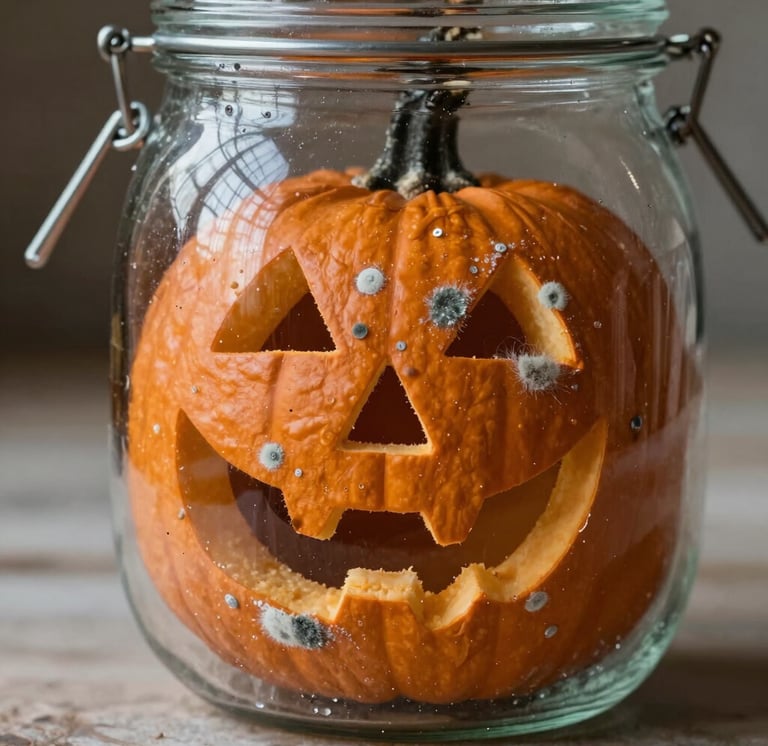
The Observation: Place Jack inside a large, clear glass or plastic jar (a "terrarium"). This allows children to see the process without the smell or the fruit flies taking over the classroom.
Phase 2: The Decomposition (Winter)
The "Rot" Watch: Keep the jar in a visible spot. Have children look for changes every few days.
What to look for: White fuzzy mold, "juiciness" at the bottom, the pumpkin collapsing, and the skin changing color.
Scientific Documentation: Keep a "Jack Journal" next to the jar. Have children draw what he looks like "Now" vs. "Last Week."
The Disappearance: By mid-winter, Jack will mostly be a pile of brown "muck" and seeds. This is the perfect time to explain that Jack is turning into nutrients (food) for the soil.
Phase 3: The Sleep (Late Winter)
Adding Soil: Once Jack is unrecognizable, pour a few inches of potting soil directly into the jar over the remains.
The Waiting Game: Explain that the seeds are "sleeping." Keep the soil slightly damp but not soaking wet.
Phase 4: The Rebirth (Spring)
The Sprouting: Around March or April, you will see green shoots poking through the brown soil. This is the "Magic" moment!
Transplanting: Once the seedlings have 2-3 leaves, carefully move them to a larger pot or an outdoor garden spot.
The Cycle Completes: By the time the preschool year ends, the children will see the beginning of a new pumpkin vine, which will grow all summer to provide a "New Jack" for next autumn.
Essential Supplies
The Book: Pumpkin Jack by Will Hubbell.
The Container: A large clear pretzel jar or a 1-gallon glass jar with a lid (keep the lid slightly cracked for airflow).
Potting Soil: A small bag of nutrient-rich soil.
Magnifying Glasses: Keep these nearby so children can inspect the mold and the sprouts up close.
Teaching Vocabulary
Decomposition: When something "breaks down" and goes back into the earth.
Nutrients: "Vitamins" in the soil that help plants grow.
Dormant: When a seed is "sleeping" and waiting for the right time to grow.
Quick Tip: If your pumpkin starts to smell too strong before it collapses, you can add a layer of soil or peat moss over it inside the jar. This acts as a natural filter while still allowing the seeds to do their work underground!
This observation log is designed to help 3- to 5-year-olds think like scientists. Since many children in this age group are pre-readers, the log focuses on visual representation and simple "check-the-box" observations.
Pumpkin Jack Observation Log
Name: ____________________
Date: ____________________
1. How does Jack look today?
(Draw a picture of the pumpkin inside the jar in the box below. Encourage them to look for "fuzzy" spots (mold) or "wrinkles" (collapsing).
2. What color is Jack?
(Circle all that you see)
Orange (Fresh)
White/Gray (Fuzzy mold)
Brown/Black (Turning into soil)
Green (New sprouts!)
3. The "Jack" Texture Report
(Check the box that describes Jack's "skin")
[ ] Smooth & Shiny
[ ] Wrinkled & Squishy
[ ] Fuzzy & Furry
[ ] Gone! (It’s just soil now)
4. My Scientific Prediction
"I think next week Jack will look..."
(Child dictates their answer to the teacher to write down)
"____________________________________________________________"
Teacher’s Guide: Using the Log
The "Gallery Wall"
As the weeks progress, hang the logs in a row. This creates a visual timeline of the decomposition. The children can walk down the "gallery" and see exactly when Jack started to change from a pumpkin into soil.
Scaffolding the Observation
When a child is drawing, ask probing questions to help them notice details:
"I see you used a gray crayon. Is that the fuzzy part you saw on Jack's nose?"
"Where did his eyes go? Did they sink or stay the same?"
Integrating Math
Use a ruler or a piece of string to measure Jack’s height each week. Even as he flattens, the children can see the "number" get smaller, which is a great introduction to measurement and data.
The Final Entry
When the first green sprout appears in the spring, have a "New Jack Birthday" and let the children draw the tiny green leaves. It’s a powerful moment of closure that proves nothing in nature is ever truly "gone"—it just changes form!
.
You’re Invited to Our Harvest Festival!
Where: ______Preschool When: [Insert Date], from [Start Time] to [End Time]
Dear Families,
We are celebrating the changing seasons and the abundance of autumn with a day of hands-on discovery! Our little "ranch hands" and "scouts" will be exploring the wonders of the harvest through several interactive stations:
The Pumpkin Lab: Investigating what’s inside a pumpkin!
The Shucking Station: Learning how corn grows and feels.
Harvest Art: Creating nature-inspired leaf crowns and corn-print paintings.
The Fall Feast: Enjoying warm cider and pumpkin dip.
A Note for Families: We will be playing with water, paint, and "pumpkin guts," so please ensure your child wears "play-ready" clothes that don't mind a little fall fun.
We can't wait to share this crunchy, colorful season with your children.
Warmly,
Teacher
Pumpkins and Gourds:
Provide a variety of sizes and shapes.
Clean them thoroughly.
Arrange them in a visually appealing way, perhaps in a large basket or on a table.
Leaves:
Gather leaves of different colors and shapes.
Ensure they are clean and dry.
Place them in baskets or trays for sorting and exploration.
Pinecones:
Gather pinecones of various sizes.
Clean them and ensure they are free of pests.
Place them in a basket or container.
Corn Kernels:
Use dried corn kernels (Indian corn or dried field corn).
Place them in a sensory bin or a shallow tray.
Provide scoops and small containers for scooping and pouring.
Baskets:
Provide a variety of baskets for sorting, carrying, and displaying the harvest items.
Use different sizes and materials.
Optional Items:
Cinnamon sticks or other fall spices (in sealed containers) for sensory exploration.
Pictures of fall harvests and farms.
Books about fall and harvest.
Craft supplies (paper, crayons, glue) for leaf rubbings and other fall-themed crafts.
Small tools like magnifying glasses.
Activities and Learning Opportunities:
Sorting and Classifying:
Encourage children to sort leaves by color, shape, and size.
Have them sort pumpkins and gourds by size and shape.
Sort pinecones by size.
Sensory Exploration:
Allow children to explore the textures of pumpkins, gourds, leaves, pinecones, and corn kernels.
Encourage them to smell the fall spices.
Scooping and pouring corn kernels.
Counting and Measuring:
Have children count the number of pumpkins, gourds, leaves, and pinecones.
Use measuring tapes or rulers to measure the size of pumpkins and gourds.
Use small scales to weigh the pumpkins.
Art and Creativity:
Provide materials for leaf rubbings.
Have children create fall-themed collages using leaves, corn kernels, and other materials.
Have them paint the pumpkins.
Dramatic Play:
Encourage children to pretend they are farmers harvesting crops.
Provide baskets for them to gather their "harvest."
Science Exploration:
Discuss the life cycle of plants and how they change in the fall.
Discuss how seeds are harvested.
Safety Considerations:
Ensure that all materials are clean and safe for children to handle.
Supervise children closely, especially when using small items like corn kernels.
Be aware of any allergies children may have to certain plants or materials.
Keep a close watch for spoilage on pumpkins and other items.
Read books about fall and harvest to children.
Stories About Harvest & Farming
"Apple Farmer Annie" by Monica Wellington
This is a perfect "process" book. It follows
Annie as she picks, sorts, and bakes with her apples, then heads to the farmer's market to sell them. It’s excellent for teaching sequencing and vocabulary like cider, applesauce, and market.
"The Little Yellow Leaf" by Carin Berger
A beautiful, visually striking story about a leaf that isn't quite ready to fall. It’s a gentle way to talk about bravery and transitions, and the collage-style illustrations are often a hit in preschool classrooms.
"Strega Nona’s Harvest" by Tomie dePaola
In this classic series entry, Strega Nona teaches Big Anthony about the order and patience required for a garden. It highlights the abundance of the harvest and the importance of sharing.
"Tractor Mac Harvest Time" by Billy Steers
If your class enjoys machinery or "things that go," Tractor Mac is a great protagonist. This story explains how different machines work together on the farm to bring in the pumpkins and apples.
Rhythmic & Sensory Fall Books
"Leaf Man" by Lois Lenzki
The illustrations are made from real fall leaves. It encourages children to look at the shapes of leaves and imagine what they might be—a fish, a cow, or a man.
Activity Idea: After reading, have the children collect leaves outside and glue them onto paper to create their own "Leaf Man" or "Leaf Animal."
"Full of Fall" by April Pulley Sayre
This book uses stunning photography rather than illustrations. The text is brief and rhythmic ("Sappy. Leafy. Woody. Stemmy."), making it ideal for younger preschoolers with shorter attention spans.
"We’re Going on a Leaf Hunt" by Steve Metzger
Modeled after the classic "Bear Hunt" chant, this book follows three friends as they hike over a mountain and through a forest to find different types of leaves. It’s very interactive and gets kids moving.
Concepts: Counting & Colors
"Goodbye Summer, Hello Autumn" by Kenard Pak
A beautiful walk through the woods and town that points out all the tiny signs that the season is changing—from the wind getting colder to the birds heading south.
"Pick a Pumpkin" by Patricia Toht
This book captures the ritual of visiting a pumpkin patch. It follows the journey from a dusty field to a carved masterpiece on a porch, emphasizing the community and family aspects of the season.
"Count Down to Fall" by Fran Hawk
This rhyming book counts down from ten to one, featuring different types of leaves like Maple, Oak, and Ginkgo. It’s a subtle way to introduce tree identification alongside math.
Sing songs about fall and pumpkins.
Take children on a nature walk to observe fall foliage.
Make pumpkin pie or other fall-themed treats (with adult supervision).
Have a guest speaker come in, such as a local farmer.
Amplifying the Atmosphere:
Lighting:
Use warm, soft lighting. String lights with warm white bulbs or small battery-operated lanterns can create a magical, cozy feel.
If possible, dim the overhead lights to enhance the effect.
Textiles:
Add soft, textured fabrics like flannel blankets or burlap runners to the table or shelves.
Include cushions or beanbag chairs for comfortable seating.
Scents:
Beyond cinnamon sticks, consider using essential oil diffusers with fall scents like apple cinnamon, pumpkin spice, or cedarwood (ensure they are child-safe and used in moderation).
Potpourri with dried orange slices and spices can also add a delightful aroma.
Sound:
Play soft, instrumental autumn-themed music or nature sounds (e.g., rustling leaves, gentle rain).
Textural Variety:
Introduce different types of corn, such as popcorn kernels, popping corn on the cob, and dried multicolored corn.
Include different types of leaves, such as oak, maple, and birch, to showcase the variety.
Add hay or straw bales as part of the center.
Sensory Bins with Layers:
Create layered sensory bins with corn kernels, dried beans, and rice, adding different textures and visual appeal.
Add small hidden items inside the sensory bins, like small plastic leaves, or acorns.
Tools for Exploration:
Provide small hand-held rakes, miniature garden trowels, and small brushes for children to use with the corn kernels and leaves.
Include a magnifying glass on a stand, to allow for hands free exploration.
Math with Patterns:
Use leaves, pinecones, and corn kernels to create patterns.
Introduce simple addition and subtraction with the harvest items.
Art with Natural Materials:
Provide clay for children to create imprints of leaves and pinecones.
Have children create nature mandalas using leaves, seeds, and pinecones.
Create leaf print art, by painting one side of a leaf, and pressing it onto paper.
Allergy Awareness:
Clearly label any items that may cause allergies, such as nuts or specific types of leaves.
Provide alternative materials for children with allergies.
Storytelling and Dramatic Play:
Create a "farmer's market" area with a small stand and play money, where children can sell their "harvest."
Use puppets to tell stories about fall and harvest.
Have children create their own stories about the fall harvest, and write them down, or draw them.
Sensory & Exploration Stations
The Great Pumpkin Investigation:
Activity: Place a few pumpkins of different sizes on a low table. Provide "investigation tools" like magnifying glasses, rulers, and child-safe tweezers.
The "Guts" Bin: Cut the top off one pumpkin and let the children reach in to feel the seeds and pulp.
Skill: Scientific inquiry and sensory processing.
Corn Husk "Shucking" Station:
Activity: Provide whole ears of dried corn still in the husk. Show the children how to pull back the leaves to reveal the kernels.
Extension: Once shucked, they can use the corn as "stampers" in yellow and orange paint at the art table to create textured prints.
Skill: Fine motor strength and hand-eye coordination.
Harvest "Wash Station":
Activity: Fill a water table or large tub with soapy water and provide plastic apples, pumpkins, and gourds along with scrub brushes and sponges.
Skill: Practical life skills and imaginative play.
Harvest-Themed Games
The Apple Relay:
How to Play: Mark a "start" and "finish" line. Children must carry an apple (real or plastic) in a large spoon from one side to the other without dropping it.
Movement: This focuses on balance and steady movement.
Gourd Bowling:
How to Play: Use empty plastic milk jugs as "pins" and a round pumpkin or a large gourd as the "bowling ball."
Skill: Gross motor control and counting how many pins fell over.
Creative Arts: Harvest Crowns
The Project: Cut long strips of brown construction paper to fit each child's head. Provide silk leaves, real dried leaves, and small raffia bows.
The Twist: Let the children "harvest" their materials from a basket in the center of the table, encouraging them to identify colors (e.g., "I'm picking a red leaf for my crown").
A "Harvest Feast" Snack
Warm Apple Cider: Serve slightly warmed apple juice with a cinnamon stick in small cups.
Pumpkin "Fluff" Dip: Mix canned pumpkin with a bit of yogurt and cinnamon. Serve with apple slices or graham cracker "hay bales" for dipping.
Teacher’s Tip: The "Gratitude" Circle
At the end of the day, gather the children in a circle. Ask each child to name one thing they are "thankful" for from the harvest. It’s a beautiful way to transition to the social-emotional aspect of the season.
Science Exploration with Seeds:
Open a pumpkin or gourd and explore the seeds inside.
Discuss how seeds grow into plants.
Have the children attempt to sort the seeds from the pumpkin pulp.
Check out the Pumpkin Jack Project
The "Pumpkin Jack" project, based on the classic book by Will Hubbell, teaches about life cycles, decomposition, and patience. It turns a "spooky" rotting pumpkin into a scientific wonder.
Phase 1: The Introduction
The Story: Read Pumpkin Jack to the children. Discuss how Jack changes from a bright orange lantern into a "flat, gray ghost" and eventually disappears into the soil.
The Setup: After Halloween, choose a carved pumpkin (Jack) that is starting to look a little "soft."
The Observation: Place Jack inside a large, clear glass or plastic jar (a "terrarium"). This allows children to see the process without the smell or the fruit flies taking over the classroom.
Phase 2: The Decomposition (Winter)
The "Rot" Watch: Keep the jar in a visible spot. Have children look for changes every few days.
What to look for: White fuzzy mold, "juiciness" at the bottom, the pumpkin collapsing, and the skin changing color.
Scientific Documentation: Keep a "Jack Journal" next to the jar. Have children draw what he looks like "Now" vs. "Last Week."
The Disappearance: By mid-winter, Jack will mostly be a pile of brown "muck" and seeds. This is the perfect time to explain that Jack is turning into nutrients (food) for the soil.
Phase 3: The Sleep (Late Winter)
Adding Soil: Once Jack is unrecognizable, pour a few inches of potting soil directly into the jar over the remains.
The Waiting Game: Explain that the seeds are "sleeping." Keep the soil slightly damp but not soaking wet.
Phase 4: The Rebirth (Spring)
The Sprouting: Around March or April, you will see green shoots poking through the brown soil. This is the "Magic" moment!
Transplanting: Once the seedlings have 2-3 leaves, carefully move them to a larger pot or an outdoor garden spot.
The Cycle Completes: By the time the preschool year ends, the children will see the beginning of a new pumpkin vine, which will grow all summer to provide a "New Jack" for next autumn.
Essential Supplies
The Book: Pumpkin Jack by Will Hubbell.
The Container: A large clear pretzel jar or a 1-gallon glass jar with a lid (keep the lid slightly cracked for airflow).
Potting Soil: A small bag of nutrient-rich soil.
Magnifying Glasses: Keep these nearby so children can inspect the mold and the sprouts up close.
Teaching Vocabulary
Decomposition: When something "breaks down" and goes back into the earth.
Nutrients: "Vitamins" in the soil that help plants grow.
Dormant: When a seed is "sleeping" and waiting for the right time to grow.
Quick Tip: If your pumpkin starts to smell too strong before it collapses, you can add a layer of soil or peat moss over it inside the jar. This acts as a natural filter while still allowing the seeds to do their work underground!
This observation log is designed to help 3- to 5-year-olds think like scientists. Since many children in this age group are pre-readers, the log focuses on visual representation and simple "check-the-box" observations.
Pumpkin Jack Observation Log
Name: ____________________
Date: ____________________
1. How does Jack look today?
(Draw a picture of the pumpkin inside the jar in the box below. Encourage them to look for "fuzzy" spots (mold) or "wrinkles" (collapsing).
2. What color is Jack?
(Circle all that you see)
Orange (Fresh)
White/Gray (Fuzzy mold)
Brown/Black (Turning into soil)
Green (New sprouts!)
3. The "Jack" Texture Report
(Check the box that describes Jack's "skin")
[ ] Smooth & Shiny
[ ] Wrinkled & Squishy
[ ] Fuzzy & Furry
[ ] Gone! (It’s just soil now)
4. My Scientific Prediction
"I think next week Jack will look..."
(Child dictates their answer to the teacher to write down)
"____________________________________________________________"
Teacher’s Guide: Using the Log
The "Gallery Wall"
As the weeks progress, hang the logs in a row. This creates a visual timeline of the decomposition. The children can walk down the "gallery" and see exactly when Jack started to change from a pumpkin into soil.
Scaffolding the Observation
When a child is drawing, ask probing questions to help them notice details:
"I see you used a gray crayon. Is that the fuzzy part you saw on Jack's nose?"
"Where did his eyes go? Did they sink or stay the same?"
Integrating Math
Use a ruler or a piece of string to measure Jack’s height each week. Even as he flattens, the children can see the "number" get smaller, which is a great introduction to measurement and data.
The Final Entry
When the first green sprout appears in the spring, have a "New Jack Birthday" and let the children draw the tiny green leaves. It’s a powerful moment of closure that proves nothing in nature is ever truly "gone"—it just changes form!
Questions? Comments? Concerns?
info@joyfulletters.com
Affiliate Disclosure: Some of the links on this page are affiliate links. As an Amazon Influencer, a Walmart Partner, and an affiliate for select educational brands, I earn a small commission from qualifying purchases. This never raises the price for you. I only recommend items that add true value to a play-based learning environment. Thank you so much for supporting our page!
© Joyful Letters 2025-2026 ALL RIGHTS RESERVED. Permission is given to reproduce for individual classroom use. Our content material is not to be resold.