Grown-Up Goals. Kid-Sized Joy. Learning in disguise.
Bird Watching Center
Let's create an engaging and educational "Bird Watching" center for your preschoolers, encouraging their curiosity about nature and developing their observation skills!
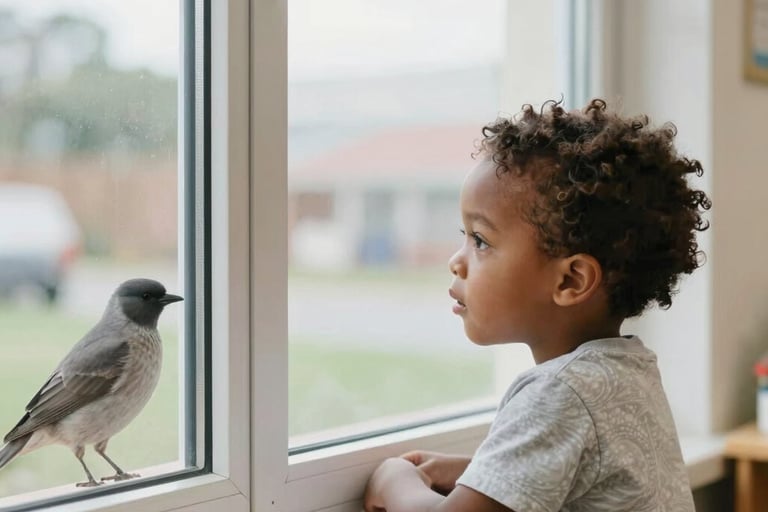
Watch a short preschool themed video
Amazing Birds for Kids | Eagle, Parrot, Peacock | Preschool Learning Video
Activities and Learning Opportunities:
Bird Identification:
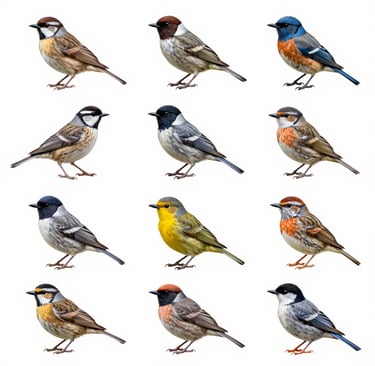
Use bird books and identification charts to identify different bird species.
Discuss the unique characteristics of each bird (size, color, beak shape).
Observation Skills:
Encourage children to use binoculars to observe birds closely
Kids Binoculars Shock Proof Toy Binoculars Set for Age 3-12
Provide child-friendly (lightweight and durable) binoculars that are easy to use and focus.
Teach children how to use binoculars safely and avoid looking directly at the sun.
Discuss bird behavior (feeding, flying, nesting).
Bird Song Recognition:
Play audio recordings of bird songs and have children try to identify the birds.
Discuss how birds communicate with each other.
Create a bird sound matching game.
Have the children try and match the bird sound, to the picture of the bird.
Bird Habitat Exploration:
Discuss the different habitats where birds live (trees, bushes, ground).
Observe how birds interact with their environment.
Guest Speakers or Field Trip
Invite a local bird watcher or ornithologist to talk to the children. Sometimes, a bird rescue will be willing to share about birds in rehab.
If possible, take a field trip to a local park or nature center for bird watching.
Bird-Friendly Garden:
If possible, create a small bird-friendly garden outside the window with native plants that attract birds.
Include plants with berries, seeds, and nectar.
Bird Bath:
Add a bird bath to the outdoor area to provide water for birds.
Ensure it is shallow (child safe) and easy to clean.
Create a bird house building station.
Use popsicle sticks or simple bird house kits for the children to build bird houses.
Set up bird houses in the outdoor area to provide nesting sites.
Activities and Learning Opportunities:
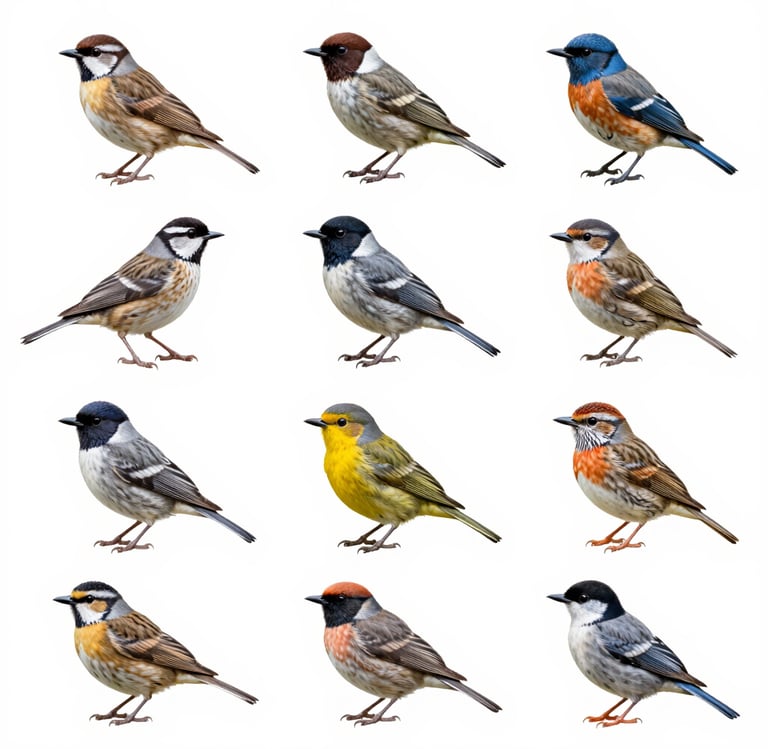
Bird Identification:
Use bird books and identification charts to identify different bird species.
Discuss the unique characteristics of each bird (size, color, beak shape).
Observation Skills:
Encourage children to use binoculars to observe birds closely
Kids Binoculars Shock Proof Toy Binoculars Set for Age 3-12
Provide child-friendly (lightweight and durable) binoculars that are easy to use and focus.
Teach children how to use binoculars safely and avoid looking directly at the sun.
Discuss bird behavior (feeding, flying, nesting).
Bird Song Recognition:
Play audio recordings of bird songs and have children try to identify the birds.
Discuss how birds communicate with each other.
Create a bird sound matching game.
Have the children try and match the bird sound, to the picture of the bird.
Bird Habitat Exploration:
Discuss the different habitats where birds live (trees, bushes, ground).
Observe how birds interact with their environment.
Guest Speakers or Field Trip
Invite a local bird watcher or ornithologist to talk to the children. Sometimes, a bird rescue will be willing to share about birds in rehab.
Use online resources to take virtual bird watching tours of different habitats around the world.
Explore bird sanctuaries and national parks.
If possible, take a field trip to a local park or nature center for bird watching.
Bird-Friendly Garden:
If possible, create a small bird-friendly garden outside the window with native plants that attract birds.
Include plants with berries, seeds, and nectar.
Bird Bath:
Add a bird bath to the outdoor area to provide water for birds.
Ensure it is shallow (child safe) and easy to clean.
Create a bird house building station.
Use popsicle sticks or simple bird house kits for the children to build bird houses.
Set up bird houses in the outdoor area to provide nesting sites.
Bird Observation Journals:
Provide notebooks and pencils for children to draw pictures of the birds they see.
Bird Art Projects:
Have children create bird-themed artwork (drawings, paintings, collages).
Use feathers and natural materials to create bird crafts.
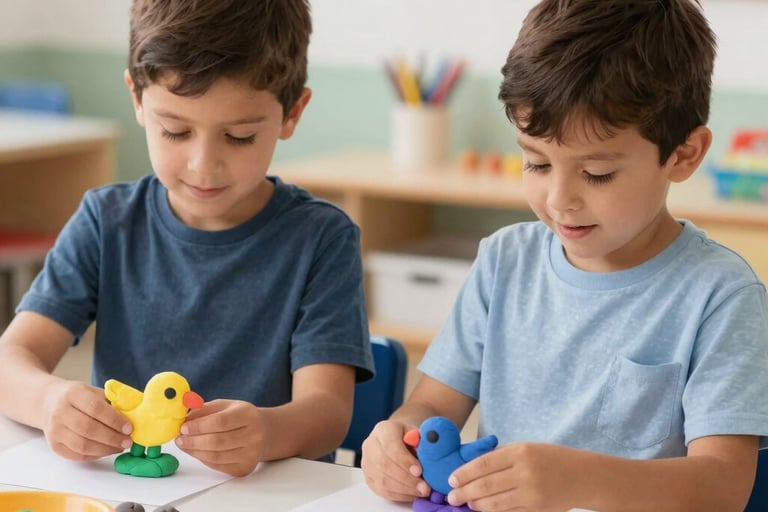
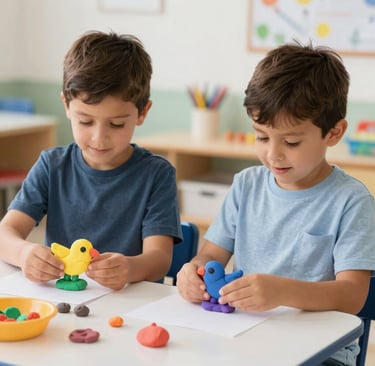
Create birds with play dough, or use bird shaped cookie cutters
Bird-Themed Games:
Play bird-themed games like bird bingo or bird matching.
Create a bird scavenger hunt.
"Bird Detective" Games:
Hide pictures of different bird species around the center and provide clues for children to find them.
Use binoculars and magnifying glasses to examine the pictures closely.
Bird Nest Building Activity:
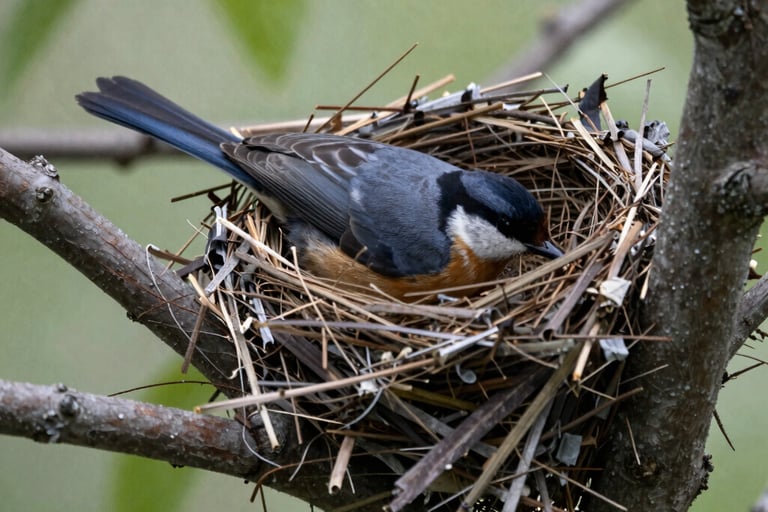
Provide materials like twigs, leaves, and moss for children to build their own bird nests.
Discuss the different types of bird nests and their functions.
Bird Migration:
How Do Birds Find Their Way?: A Visual STEM Picture Book About Migration and Navigation for Kids
Use maps and globes to discuss bird migration patterns.
Bird Behavior Observations:
Create a checklist of bird behaviors (e.g., feeding, preening, flying) and have children watch for these.
Discuss the reasons behind different bird behaviors.
Collaborative Bird Art Projects:
Have children work together to create large-scale bird-themed art projects, like a butcher paper mural or a paper mache bird sculpture.
Projector with Bird Documentaries:
Project nature documentaries about birds onto a wall or screen to inspire children.
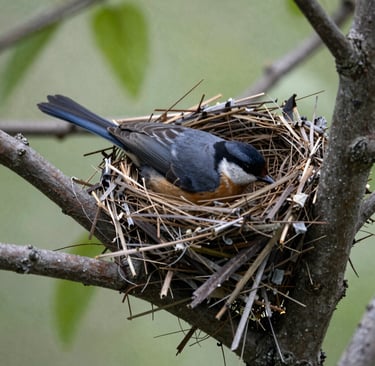
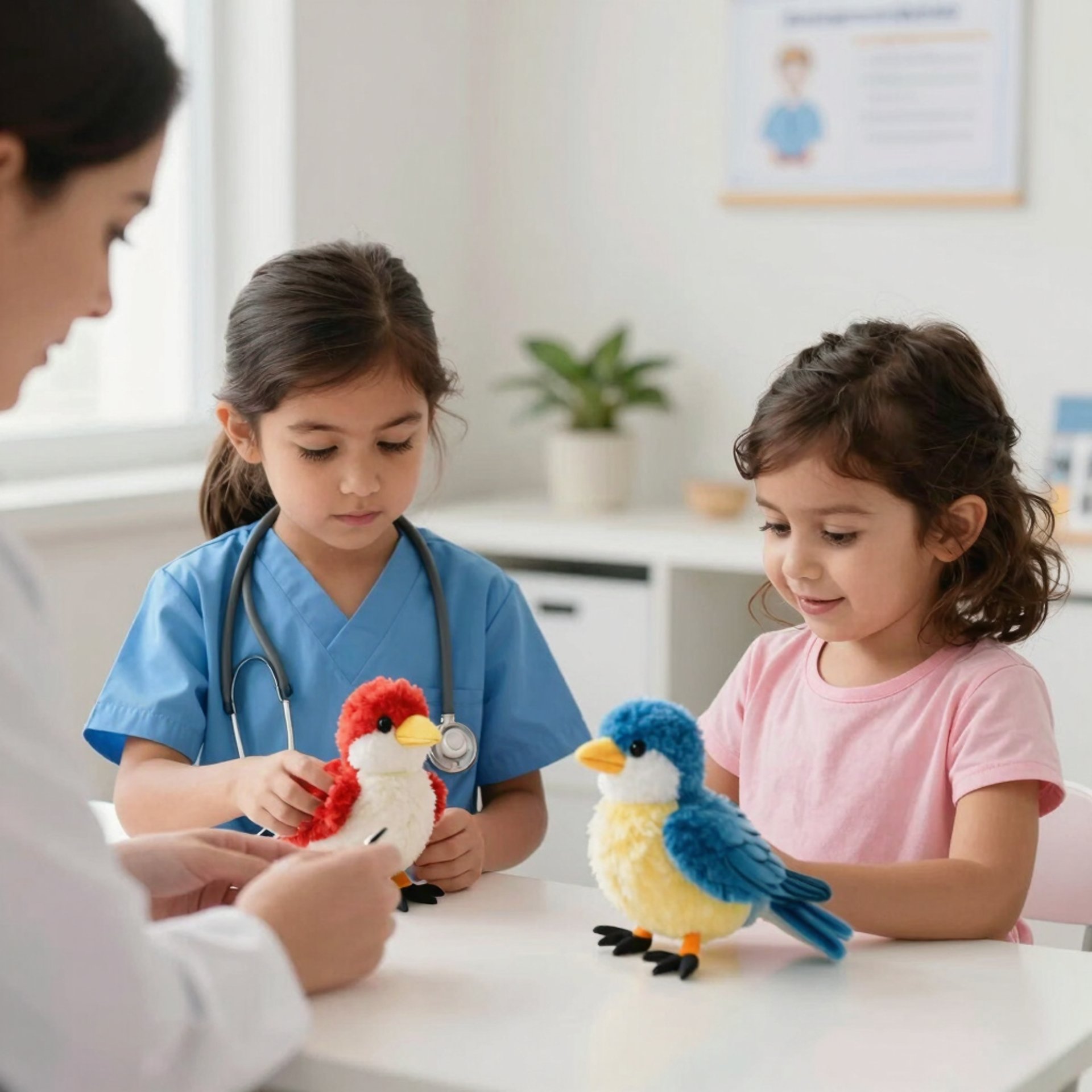
Create a "bird rescue" area.
Caution children to not take birds from nests or to pick up wild birds that they might find outside.
Have a box, and other items available for the children to pretend to rescue injured (toy) birds.
Have a mini vet station set up for children to examine toy birds.
Get in touch
Questions? Comments? Concerns?
info@joyfulletters.com
Affiliate Disclosure: Some of the links on this page are affiliate links. As an Amazon Associate, a Walmart Partner, and an affiliate for select educational brands, I earn a small commission from qualifying purchases. This never raises the price for you. I only recommend items that add true value to a play-based learning environment. Thank you so much for supporting our page!
© Joyful Letters 2025-2026 ALL RIGHTS RESERVED. Permission is given to reproduce for individual classroom use. Our content material is not to be resold.
Follow us on Facebook