Grown-Up Goals. Kid-Sized Joy. Learning in disguise.
Farm Animals
Let's create a delightful "Farm Animals" learning center for your preschoolers! Here's a detailed plan to bring the farm to your classroom:
Items needed: Toy farm animals, hay, small buckets, pictures of farms.
Atmosphere: Aim for a warm, rustic, and engaging farm feel. Use natural colors like brown, green, and red. Define the center with low shelves, a brown or green rug, or a fence made of cardboard or craft sticks.
Barn Structure:
Collaborative Building:
Have the children work together to build a large barn, or fence out of the provided materials.
Go beyond a simple cardboard box. Create a more detailed barn structure using larger cardboard pieces, fabric for curtains, and even add a hayloft (a raised area) if space allows.
Add a small fence to create a pen for the animals.
Add a small garden area:
Use fake vegetables, or pictures of vegetables to create a small garden.
Farm Sounds:
Use a sound machine or app to play realistic farm animal sounds and ambient farm noises (tractor, wind chimes, etc.).
Create a "sound matching" game using recordings of different animal sounds.
Farm Scents:
Use essential oils (with caution and supervision) to create farm scents like hay, fresh grass, or even a hint of barnyard (use sparingly!).
Add dried herbs like chamomile or lavender to create a pleasant farm aroma.
Textural Variety:
Include different textures like burlap, fleece (for sheep's wool), and smooth wood to represent different farm materials.
Add a small patch of artificial grass.
Material Preparation and Arrangement:
Toy Farm Animals:
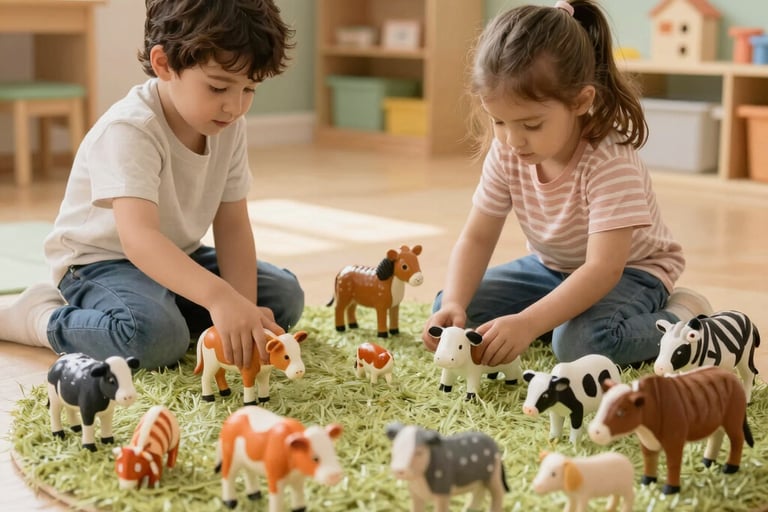
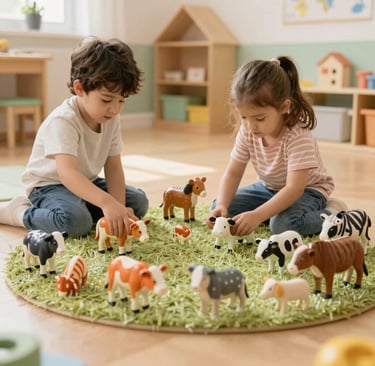
Provide a variety of farm animal toys (cows, pigs, horses, chickens, sheep, ducks, etc.).
Place them in a basket or container.
Hay:
Use clean, dry hay or straw.
Place it in a sensory bin or a shallow tray.
Provide small scoops and containers.
Small Buckets:
Provide small, child-friendly buckets.
Use them for carrying hay, water (if appropriate), or toy animals.
Pictures of Farms:
Display pictures of farms, barns, and farm animals.
Laminate them for durability.
Optional Items:
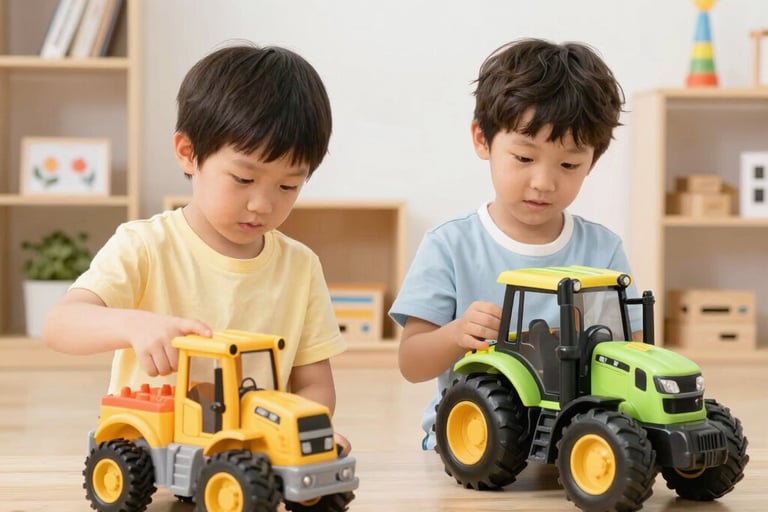
Small toy tractors or farm vehicles.
Play food (hay, corn, apples).
Small fences or barnyard structures.
Books about farm animals.
Fabric scraps for blankets or animal bedding.
Small water trough (if water play is permitted)
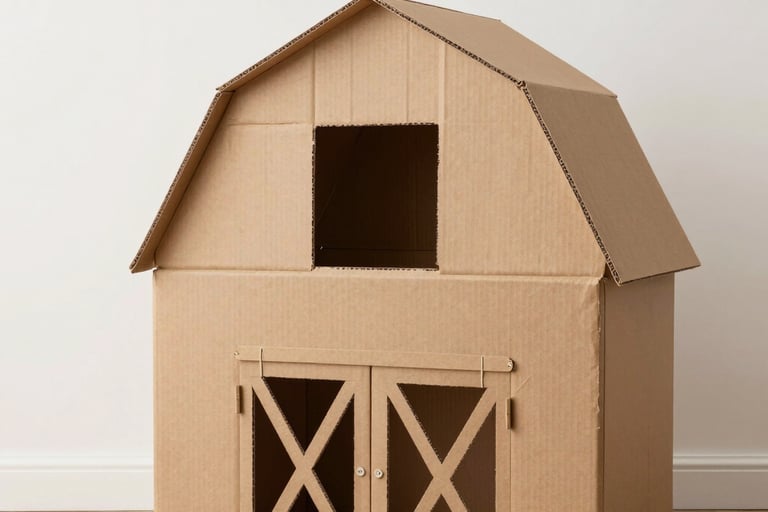
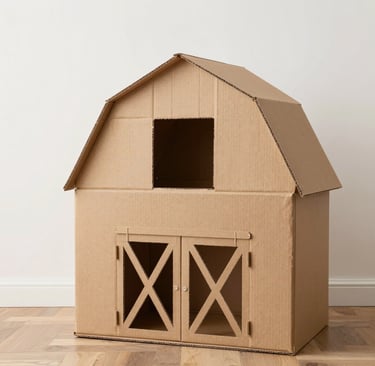
Check with appliance, furniture, or water heater companies for boxes that could be reused to create a barn.
Activities and Learning Opportunities:
Animal Identification and Sorting:
Have children identify and name the different farm animals.
Sort the animals by type, size, or color.
Discuss what each animal provides for us. (Milk, Eggs, Wool, etc.)
Sensory Exploration:
Allow children to explore the texture of hay or straw.
Encourage them to use the buckets for scooping and pouring.
If water is provided, allow the children to feel the difference between the dry hay, and the wet hay.
Dramatic Play:
Encourage children to pretend they are farmers, farm animals, or visitors to the farm.
Use the toy animals and buckets to create farm scenes.
Have the children pretend to feed the animals.
Science Exploration:
Discuss where farm animals live and what they eat.
Talk about the life cycle of farm animals (e.g., chicks hatching from eggs).
Learning Resources 21 eggs to crack and see the development of chicks
Discuss what products come from the farm.
Math Activities:
Have children count the farm animals or buckets of hay.
Sort items by size or quantity.
Have the children create patterns with the animals. (chicken, duck, chicken, duck, chicken)
Literacy Activities:
Encourage children to share their own farm stories or create collaborative stories.
Sing farm-themed songs (e.g., "Old MacDonald Had a Farm").
Have children create stories about their farm adventures.
Art Activities:
Create animal tracks in playdough or sand.
Have the children paint pictures of farm animals.
Create collages using hay, and pictures of animals.
Safety Considerations:
Hay/Straw:
Ensure that the hay or straw is clean and free of sharp objects.
Be aware of any allergies children may have.
Small Objects:
Supervise children closely when they are handling small toys and buckets.
Hygiene:
Teach children to wash their hands after playing in the center.
Enhancing the Learning Experience:
Soundscape:
Play recordings of farm animal sounds.
Visuals:
Display pictures of real farms and farm animals.
Create a mural of a farm.
Outdoor Exploration:
If possible, take children on a visit to a local farm.
Virtual Farm Visits:
Use online resources to take virtual field trips to farms around the world.
Show video clips of farm animals and activities.
Guest Speaker:
Invite a farmer or someone who works with farm animals to talk to the children.
Create a small "barn" area:
Use cardboard boxes to create a small barn, that the children can put the animals into.
Add a small garden area:
Use fake vegetables, or pictures of vegetables to create a small garden.
Children that live in the city will especially enjoy connecting to the world of agriculture and animal care.
Interactive and Engaging Activities:
"Farmer's Market" Play:
Set up a small "farmer's market" stand with play food (fruits, vegetables, eggs, milk) and play money.
Encourage children to buy and sell farm products.
"Animal Care" Station:
Provide brushes, combs, and pretend vet tools for children to "groom" and "care" for the animals.
Create a "feeding chart" with pictures of animals and their favorite foods.
"Egg Collecting" Activity:
Hide plastic eggs in the hay or around the center for children to find and collect in baskets.
Discuss where eggs come from.
"Planting Seeds" Activity:
Provide small pots, soil, and easy-to-grow seeds (like beans or sunflowers) for children to plant.
Discuss how plants grow on a farm.
"Milking a Cow" Simulation:
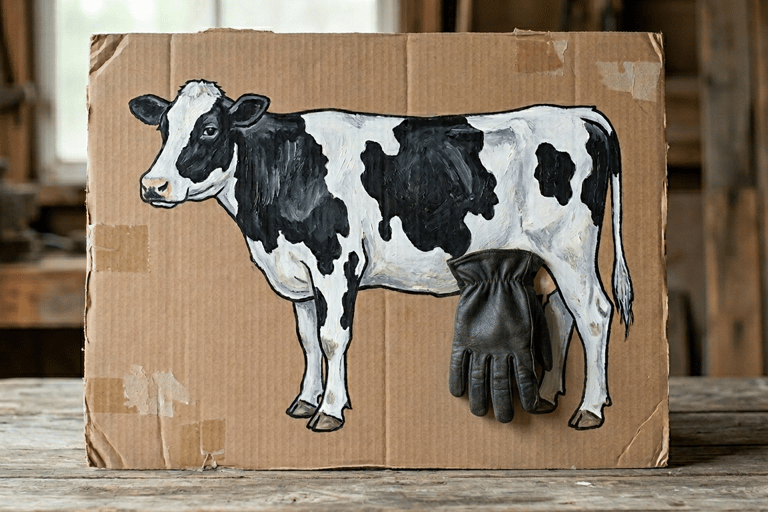
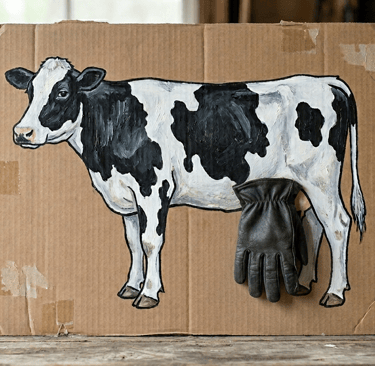
Use a rubber glove filled with water to simulate milking a cow. Remember that gloves, like balloons, can be choke hazards. Close supervision is necessary.
Demonstrate how milk is collected from cows.
Dramatic Play and Storytelling:
"Farm Animal Puppets":
Provide puppets of farm animals and encourage children to create puppet shows.
Have the children create their own puppets out of paper bags, or socks.
"Farm Animal Masks":
Provide materials for the children to create masks of farm animals.
Are you ready to transform your learning play space into a "Farm Animals" center? Children love learning about farm life.
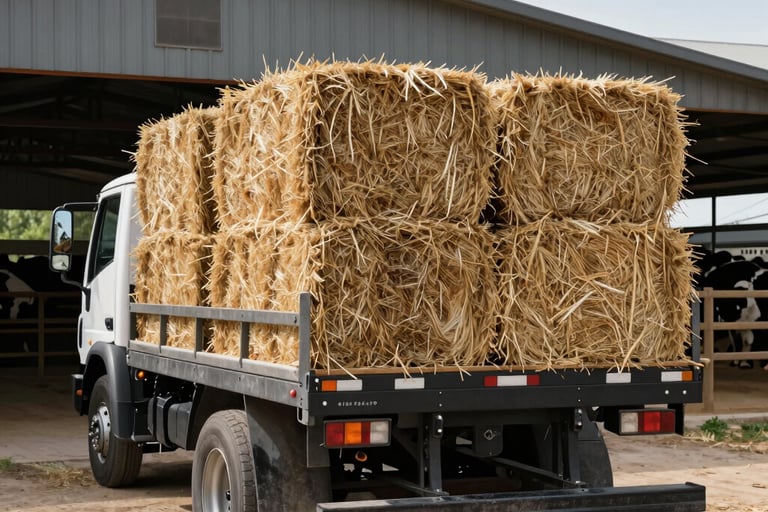
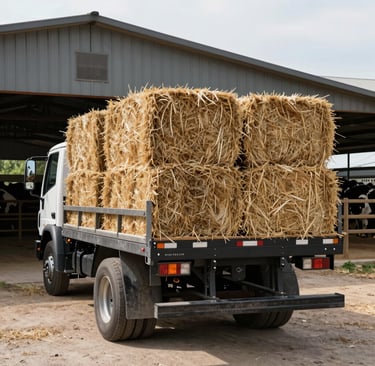
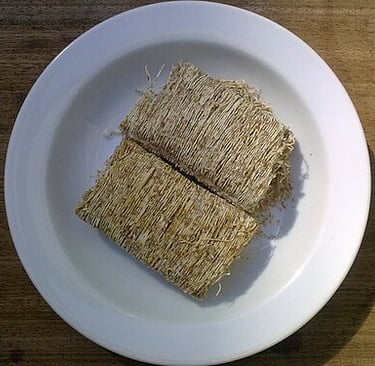
My young son was raised in the city. We were at the fair when he saw a truck with hay bales in the back. I was surprised when he shouted excitedly, "Look Mom, look at the giant cereal!"
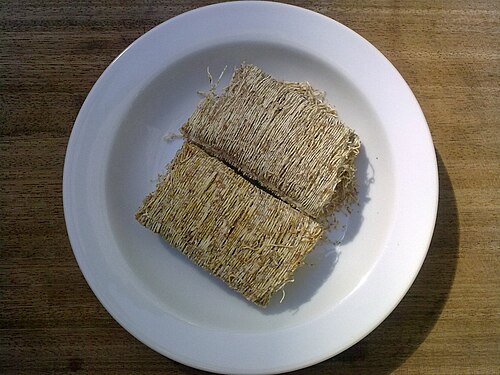
I had been a country girl myself. We always commented that shredded wheat cereal looked like hay bales in a bowl. My city boy saw things the opposite way!
Questions? Comments? Concerns?
info@joyfulletters.com
Affiliate Disclosure: Some of the links on this page are affiliate links. As an Amazon Influencer, a Walmart Partner, and an affiliate for select educational brands, I earn a small commission from qualifying purchases. This never raises the price for you. I only recommend items that add true value to a play-based learning environment. Thank you so much for supporting our page!
© Joyful Letters 2025-2026 ALL RIGHTS RESERVED. Permission is given to reproduce for individual classroom use. Our content material is not to be resold.