Grown-Up Goals. Kid-Sized Joy. Learning in disguise.
Discovery Center -Explorers Lab
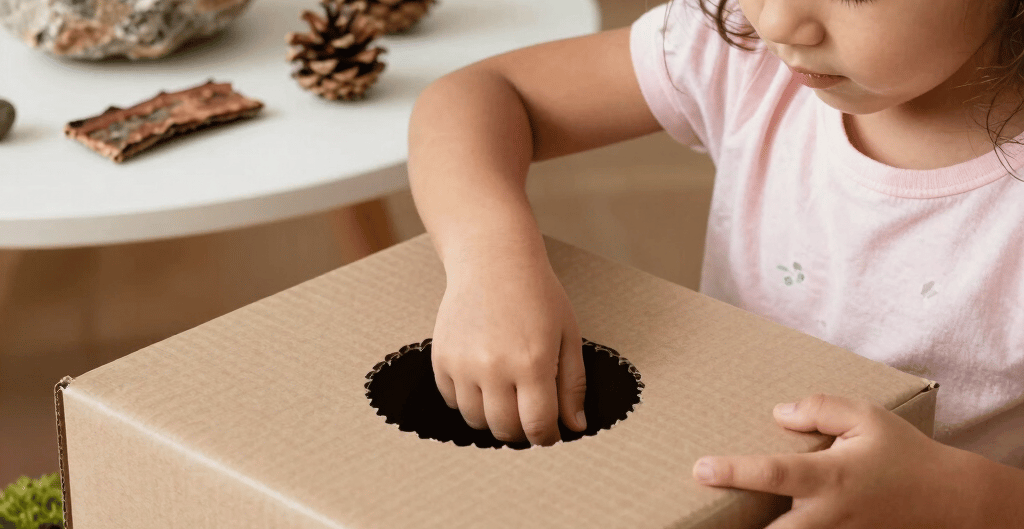
Magnification Station
The Setup: A sturdy microscope (specifically for preschoolers) or high-quality magnifying glasses. Provide a "Specimen Tray" with tiny things: a peacock feather, a seashell, a piece of snakeskin (found), or a butterfly wing.
The Activity: Children draw what they see through the lens on a small clipboard.
The Learning: This develops observation skills and fine motor control for drawing "scientific details" rather than just scribbles.
Essential Tools Checklist:
The Scientist Kit: Clipboards, chunky pencils, magnifying glasses, and rulers.
Specimen Containers: Clear jars (recycle jars) with air holes or petri dishes to hold delicate items.
Child-sized lab coats or vests to add dramatic play.
Light & Shadow Investigation
A light table or a simple white sheet with a desk lamp. Provide a basket of "Found Objects" with interesting shapes—honeycomb patterns, dried leaves with holes, clear colorful pebbles, and branches.
Children arrange the objects on the light source to see the intricate details (like the veins in a leaf) that are invisible in normal light.
This introduces translucency and the concept of looking "inside" things to see how they are made.
Camouflage & Color Sorting Bin
Fill a large bin with green shredded paper (grass) and brown dried beans (dirt). Hide small toy animals of various colors: some that blend in (green frogs, green and brown lizards) and some that stand out (bright red ladybugs, small bird figures).
Give the children "Grabbers" (tongs) and two containers Ask them to find the "Easy to See" animals and the "Hidden" animals.
This teaches the foundational concept of adaptation—why some animals are hard to find in nature..
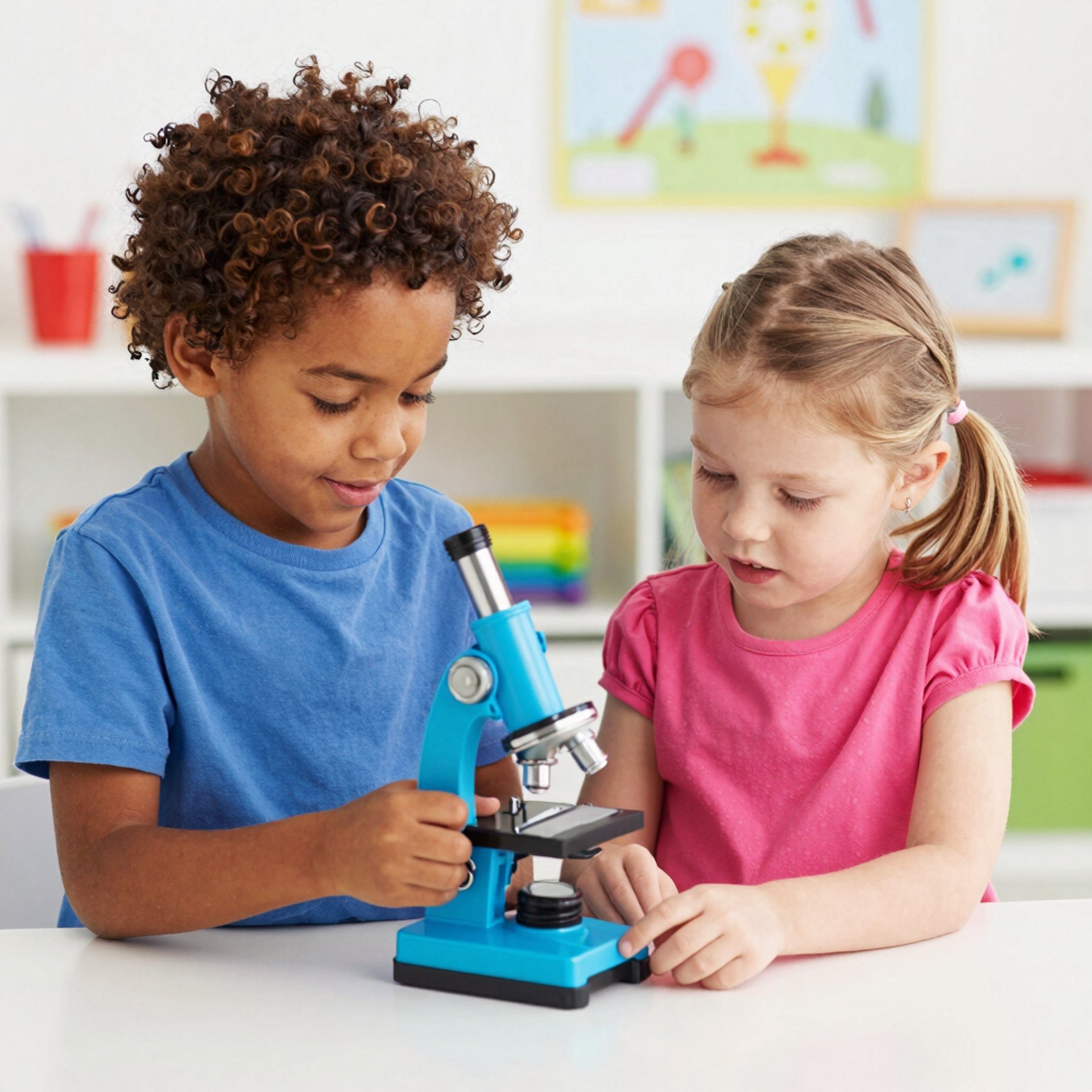
Magnification Station
The Setup: A sturdy microscope (specifically for preschoolers) or high-quality magnifying glasses. Provide a "Specimen Tray" with tiny things: a peacock feather, a seashell, a piece of snakeskin (found), or a butterfly wing.
The Activity: Children draw what they see through the lens on a small clipboard.
The Learning: This develops observation skills and fine motor control for drawing "scientific details" rather than just scribbles.
Essential Tools Checklist:
The Scientist Kit: Clipboards, chunky pencils, magnifying glasses, and rulers.
Specimen Containers: Clear jars (recycle jars) with air holes or petri dishes to hold delicate items.
Child-sized lab coats or vests to add dramatic play.
Encourage a discussion:
"If you were an ant, what would this piece of bark feel like? A mountain or a slide?"
"What happens to the shadow when we move the leaf closer to the light?"
"Can you find three things in this bin that are the same color as the dirt?"
Questions? Comments? Concerns?
info@joyfulletters.com
Affiliate Disclosure: Some of the links on this page are affiliate links. As an Amazon Influencer, a Walmart Partner, and an affiliate for select educational brands, I earn a small commission from qualifying purchases. This never raises the price for you. I only recommend items that add true value to a play-based learning environment. Thank you so much for supporting our page!
© Joyful Letters 2025-2026 ALL RIGHTS RESERVED. Permission is given to reproduce for individual classroom use. Our content material is not to be resold.